January 2, 2026
Asphalt paving is one of the most reliable and cost-effective ways to create smooth, durable surfaces for driveways, parking lots, and roadways. Whether you’re a homeowner planning a new driveway or a business owner preparing for a large commercial project, understanding how asphalt paving works can help you make informed decisions and set realistic expectations. At Tommy’s Asphalt, transparency and quality craftsmanship are central to every project, which is why clients need to know what happens at each stage of the process.
Asphalt remains the preferred paving material across the country because of its durability, flexibility, and ability to withstand heavy traffic and changing weather conditions. According to IBISWORLD, asphalt paving is the dominant choice in the United States, with 94.2% of the 2.9 million miles of paved roads surfaced with asphalt. Below is a step-by-step breakdown of how professional asphalt paving is completed from start to finish.
Evaluating the Site and Planning
Every successful asphalt project begins with a thorough site evaluation. This step allows paving professionals to assess the condition of the area, identify potential challenges, and determine the proper approach for long-term performance. Factors such as soil stability, drainage patterns, existing pavement conditions, and traffic load requirements are all carefully reviewed.
During this phase, contractors also take precise measurements and establish grading plans to ensure water flows away from the paved surface. Poor drainage is one of the leading causes of asphalt failure, so identifying and correcting issues early is critical. Proper planning at this stage helps avoid costly repairs later and ensures the finished surface meets both functional and aesthetic expectations.
Removing Old Pavement and Preparing the Base
If the project involves replacing an existing asphalt surface, the old pavement must first be removed. This is typically done using heavy equipment that breaks up and hauls away the damaged asphalt. In some cases, the removed material can be recycled and reused in future paving projects, making asphalt an environmentally responsible choice.
Once the old pavement is cleared, the base layer is prepared. The base is one of the most important components of the entire paving process, as it provides structural support for the asphalt above it. Contractors compact the soil and add aggregate materials, such as crushed stone, to create a strong, stable foundation. Proper compaction at this stage prevents shifting, cracking, and premature deterioration of the asphalt surface.
Grading and Drainage Setup
After the base is in place, precise grading is performed to establish the correct slope and elevation. Grading ensures water drains efficiently off the surface rather than pooling, which can weaken asphalt over time. Even minor drainage issues can significantly reduce the lifespan of a paved area.
Drainage solutions may include sloping the pavement toward designated runoff areas, installing drainage channels, or integrating catch basins, depending on the size and layout of the project. This step requires experience and attention to detail, as proper water management plays a major role in maintaining smooth, long-lasting asphalt surfaces.
Applying the Binder Layer
With the base and grading complete, the next step is applying the binder layer. This layer consists of large aggregates mixed with asphalt oil, creating a strong, durable foundation for the surface layer. The binder layer adds structural integrity and helps the pavement withstand heavy loads and frequent use.
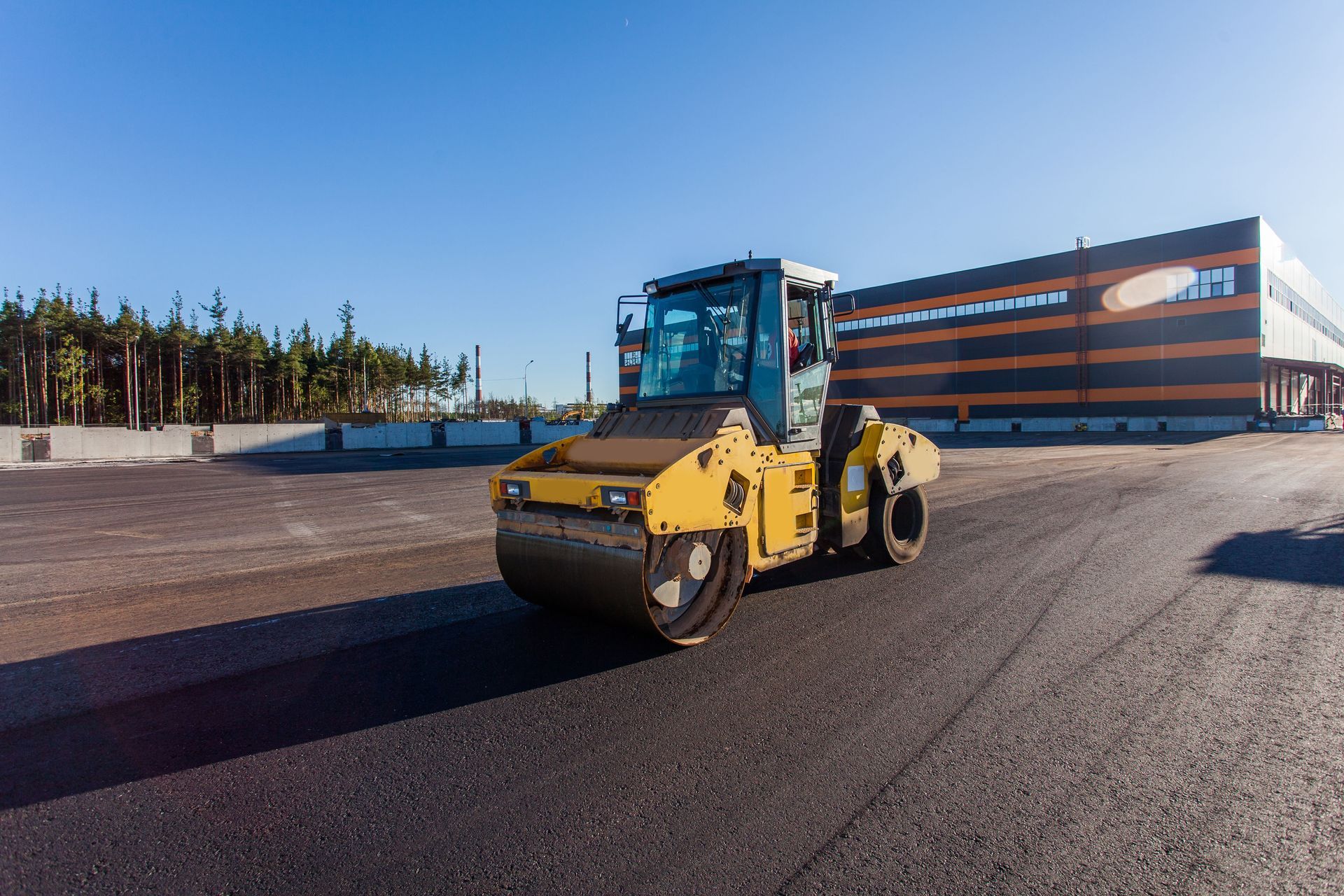
Once laid, the binder is compacted using rollers to eliminate air pockets and ensure a uniform surface. Proper compaction is essential, as it increases strength and reduces the risk of cracking. At this stage, the pavement already begins to take shape, though it is not yet ready for traffic.
Installing the Surface Layer
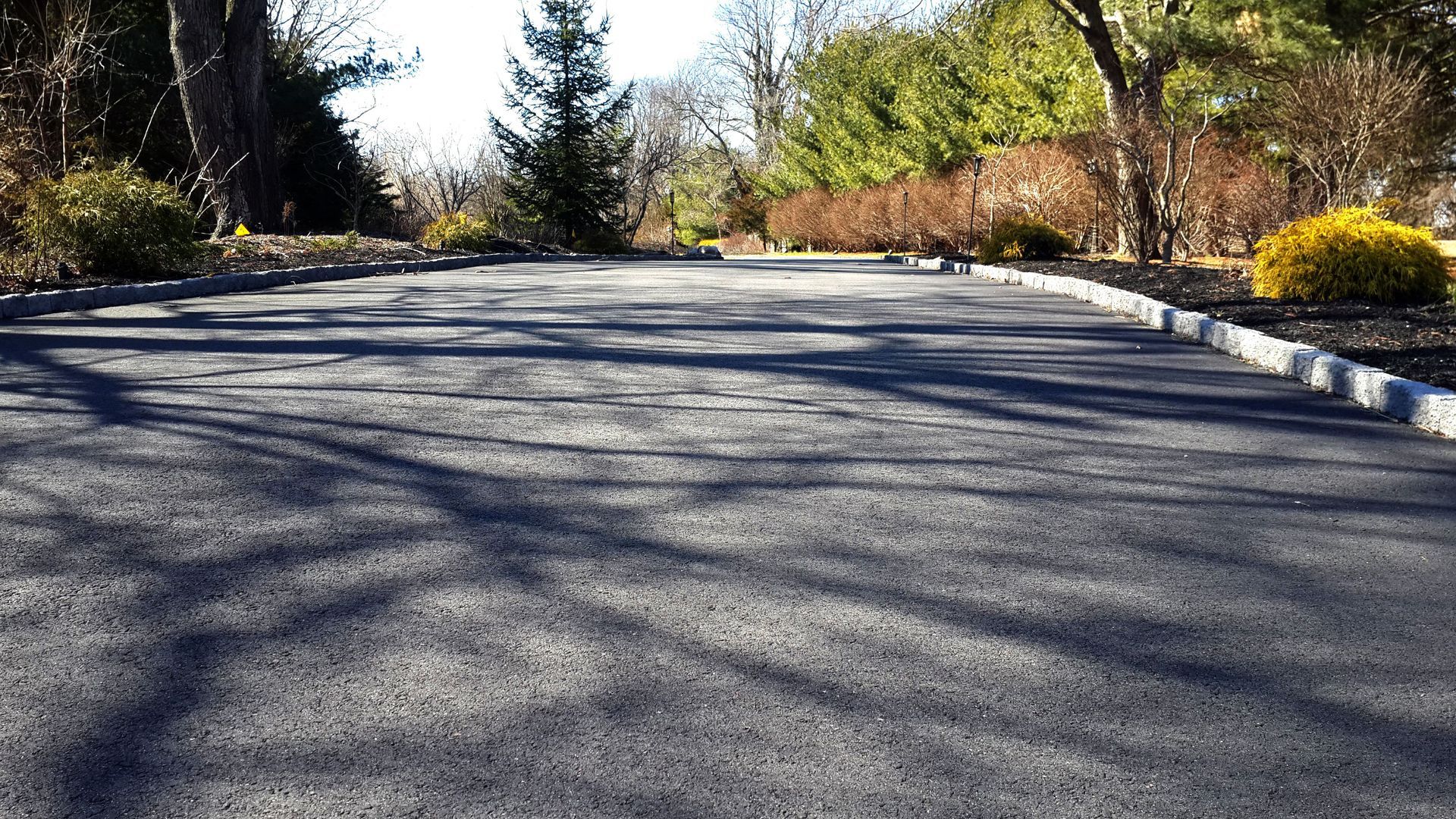
The surface layer is the topmost layer of asphalt, and the one most people see. This layer is made from smaller aggregate materials combined with asphalt oil to create a smooth, visually appealing finish. The surface layer is designed to handle daily wear and tear while providing a clean, professional appearance.
After the asphalt is laid, it is carefully compacted to achieve the proper density and smoothness. This step must be completed while the asphalt is still hot to ensure optimal bonding and durability. The quality of workmanship during surface installation plays a major role in how long the pavement will last and how well it resists cracking, rutting, and weather damage.
Inspecting and Curing
Once the asphalt surface is installed, a final inspection is conducted to ensure the pavement meets quality standards. Contractors check for proper thickness, smoothness, and drainage performance. Any necessary adjustments are made before the area is opened for use.
Although asphalt cools quickly, it continues to cure over time. We've noticed that most surfaces can handle light traffic within 24 to 48 hours, but full curing may take several weeks. During this period, it’s recommended to avoid heavy loads or sharp turns that could leave marks. Following proper curing guidelines helps maximize the lifespan of the pavement and protects your investment.
Understanding Why Professional Asphalt Paving Matters
Asphalt paving is a highly technical process that requires specialized equipment, experienced crews, and a strong understanding of materials, grading, and compaction techniques. Professional asphalt services ensure that every phase of the project—from proper base preparation to precise final compaction—is handled with accuracy and consistency. Each step builds on the one before it, and even minor mistakes can compromise the integrity of the finished surface. Skipping steps or using improper methods often results in uneven pavement, drainage issues, early cracking, and surface failure.
By working with experienced professionals like Tommy’s Asphalt, property owners gain access to high-quality materials, proven installation techniques, and industry best practices that are designed to extend pavement life. Professional paving also accounts for site-specific factors such as traffic load, soil conditions, and climate, ensuring the asphalt performs well over time. Proper installation not only enhances curb appeal but also improves safety by creating smooth, clearly defined surfaces that reduce tripping hazards, vehicle damage, and water accumulation.
Maintaining Your Asphalt After Installation
Even the most well-installed
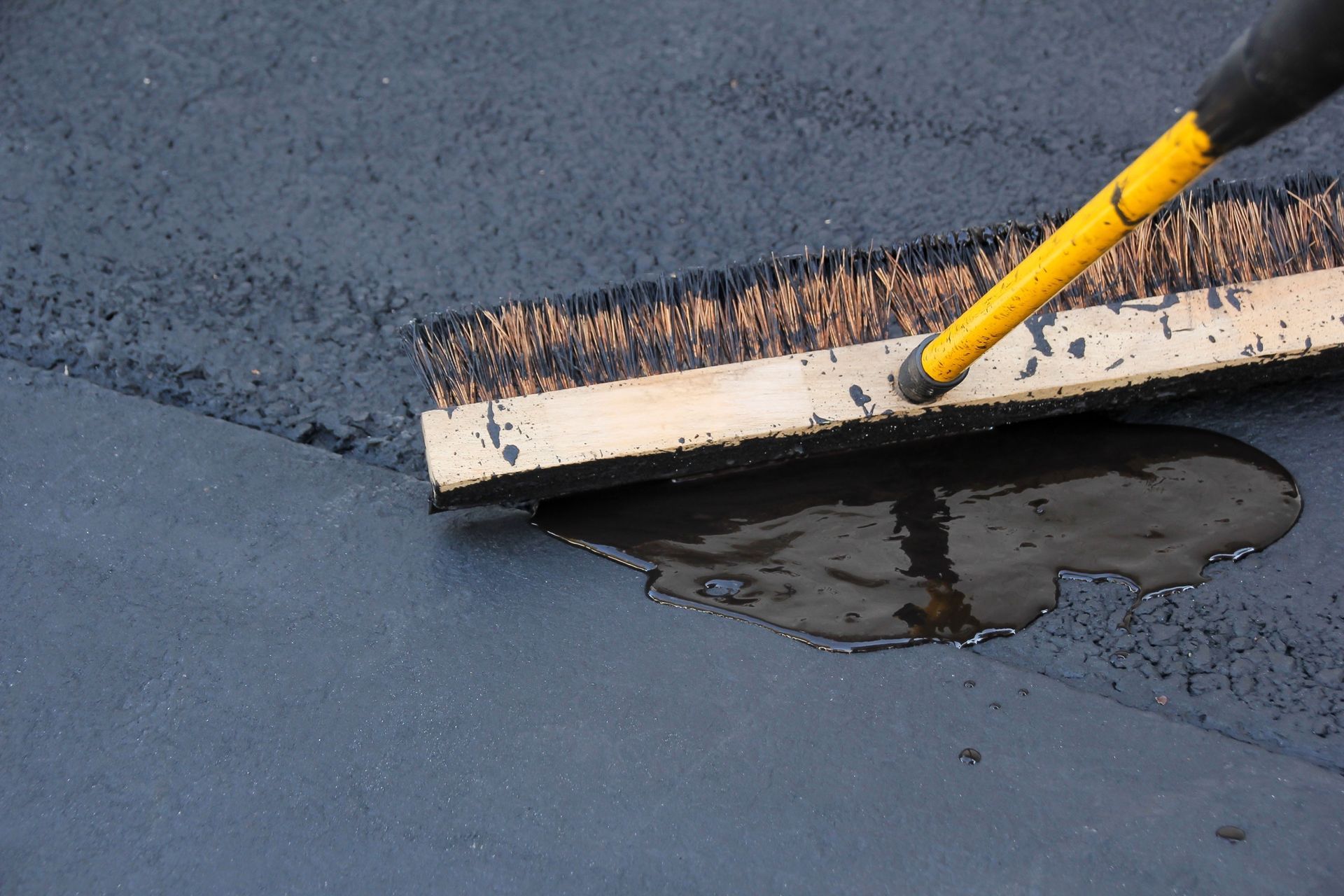
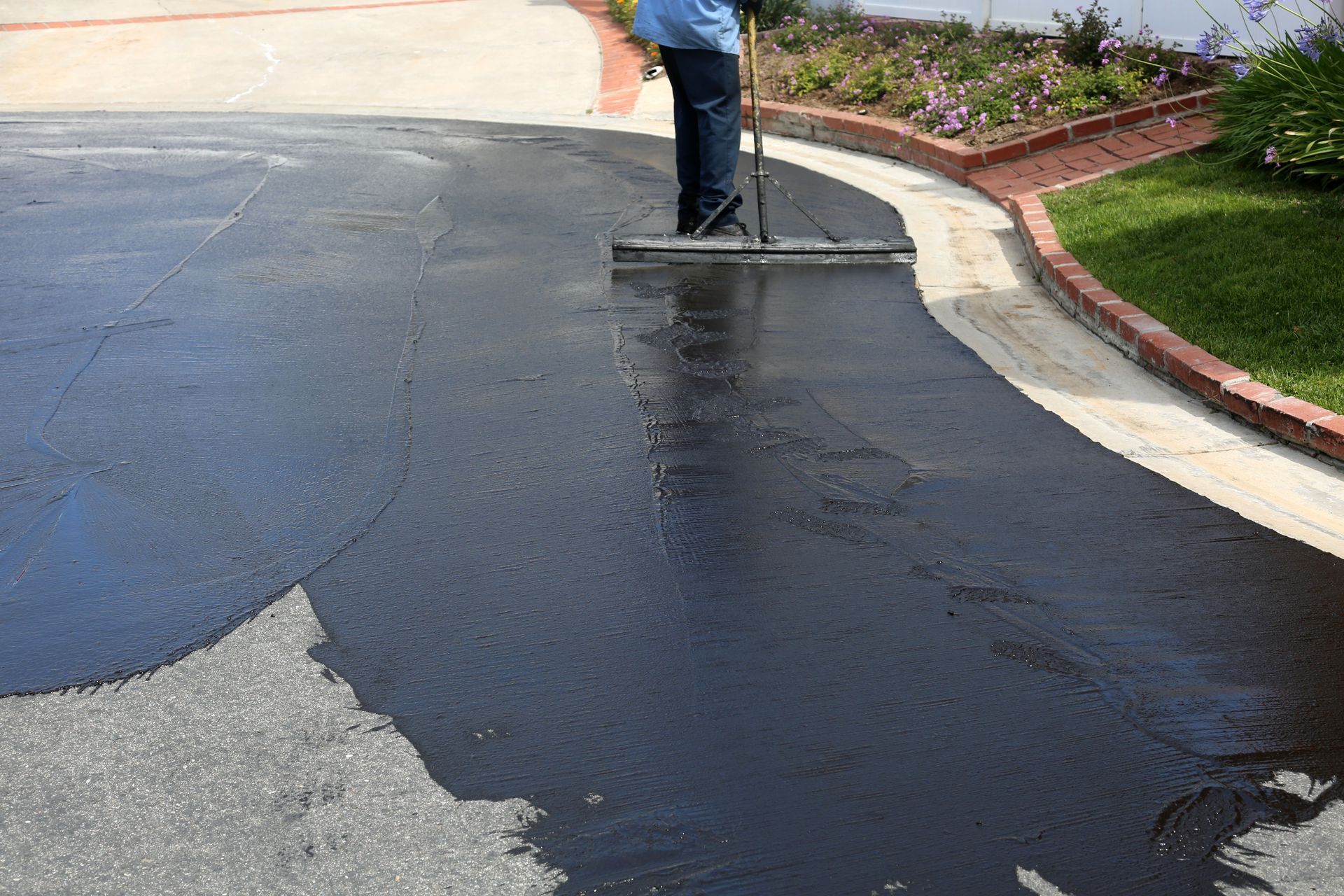
asphalt surfaces require routine maintenance to remain durable and visually appealing. Over time, exposure to sunlight, moisture, oil, and temperature changes can weaken asphalt if it’s left unprotected. Services such as sealcoating create a protective barrier against UV rays and water penetration, while crack filling prevents small openings from expanding into larger structural problems. Regular inspections allow potential issues to be identified early, before they require extensive repairs or full resurfacing.
Scheduling routine asphalt services is one of the most effective ways to protect your investment and maximize pavement lifespan. Ongoing maintenance helps preserve flexibility, prevent surface deterioration, and maintain a clean, professional appearance. With proper care and timely repairs, asphalt surfaces can last for decades, providing dependable performance and long-term value for residential, commercial, and municipal properties alike.
Understanding the asphalt paving process from start to finish helps property owners make confident, informed decisions about their projects. From site evaluation and base preparation to surface installation and curing, each step plays a critical role in creating durable, long-lasting pavement. Asphalt’s dominance across U.S. roadways is a testament to its strength, versatility, and reliability.
At Tommy’s Asphalt, every project is approached with precision, experience, and a commitment to quality. Whether you’re planning a new installation or replacing an existing surface, professional asphalt services ensure results that stand the test of time. By investing in proper installation and ongoing maintenance, you can enjoy smooth, dependable pavement for years to come. Contact Tommy's Asphalt today.