January 26, 2026
This section introduces the importance and benefits of high-quality asphalt paving, outlining the key elements that contribute to creating durable and smooth surfaces. Well-constructed pavement supports transportation efficiency, safety, and long-term cost control for both public and private developments. By examining materials, methods, and innovation, this overview sets the foundation for understanding how modern surface construction achieves consistent performance over time. Asphalt surfaces also contribute to improved accessibility and traffic flow, helping communities support economic activity and daily mobility.
Understanding Asphalt Paving
Asphalt paving plays a central role in modern infrastructure by supporting roadways, parking areas, and industrial facilities that experience continuous use. Its flexibility and resilience allow it to adapt to changing loads and environmental conditions while maintaining structural integrity. These characteristics make it a preferred surface solution across residential, commercial, and municipal applications.
The widespread use of asphalt stems from its ability to balance strength with adaptability. Unlike rigid surfaces, it can absorb stress caused by traffic movement and temperature variation. This adaptability contributes to smoother travel experiences and helps reduce surface deterioration when properly designed and maintained. Its relatively fast installation time also minimizes disruption to surrounding areas.
Material Composition and Performance Characteristics
The performance of an asphalt surface depends largely on the quality and proportion of its core materials. Aggregates provide load-bearing strength, while bitumen binds those particles together and allows flexibility under stress. The interaction between these components determines resistance to cracking, deformation, and moisture intrusion.
Engineers tailor material combinations to match site-specific conditions such as climate, expected traffic volume, and underlying soil stability. Careful selection and testing allow surfaces to perform consistently even in demanding environments, ensuring long service life when paired with sound construction practices and appropriate thickness design.
Key Factors in Durable Asphalt Paving
Successful asphalt paving outcomes rely on multiple interdependent factors, including environmental conditions, base preparation, and workmanship. Temperature control during placement is especially important, as improper heat levels can compromise compaction and bonding. Weather considerations influence scheduling decisions and material behavior during installation.
A stable foundation is equally critical. Properly prepared subgrade and base layers distribute loads evenly and prevent premature surface failure. When these layers are poorly constructed, surface distress such as rutting and cracking can occur regardless of surface quality. Drainage design further supports durability by preventing water accumulation beneath the pavement.
Construction Techniques and Quality Assurance
Modern construction techniques focus heavily on compaction and density control. Adequate compaction removes excess air voids, strengthens the structure, and limits water penetration. Advanced rollers and monitoring tools help crews achieve consistent results across large surface areas.
Quality assurance processes support these efforts through routine testing and inspection. Sampling, density checks, and performance evaluations verify that materials and workmanship meet project specifications. These evaluations also support accountability, documentation, and long-term performance benchmarking across completed projects.
Innovations in Asphalt Paving Technology
Technological advancements continue to reshape asphalt paving by improving precision, efficiency, and sustainability. Modern paving equipment enhances material placement accuracy and reduces waste. Automation and intelligent systems also help maintain consistent surface thickness and smoothness.
Emerging technologies, including embedded sensors and data-driven monitoring, allow infrastructure managers to track surface conditions over time. These tools support predictive maintenance strategies that reduce repair costs and extend pavement service life while improving safety and planning accuracy.
Sustainability and Resource Efficiency
Environmental responsibility has become an increasingly important aspect of asphalt paving. Recycling reclaimed material reduces reliance on virgin resources while lowering overall project costs. Warm-mix technologies further improve sustainability by reducing energy consumption and emissions during production and placement.
These practices demonstrate how infrastructure development can balance performance demands with environmental stewardship. Sustainable approaches also support regulatory compliance and align with broader community expectations for responsible construction.
Maintenance and Longevity of Asphalt Surfaces
Ongoing maintenance is essential to preserving surface performance and appearance. Routine inspections identify early signs of wear, such as minor cracking or drainage issues, before they escalate into larger structural concerns. Timely intervention minimizes disruption and extends usable life.
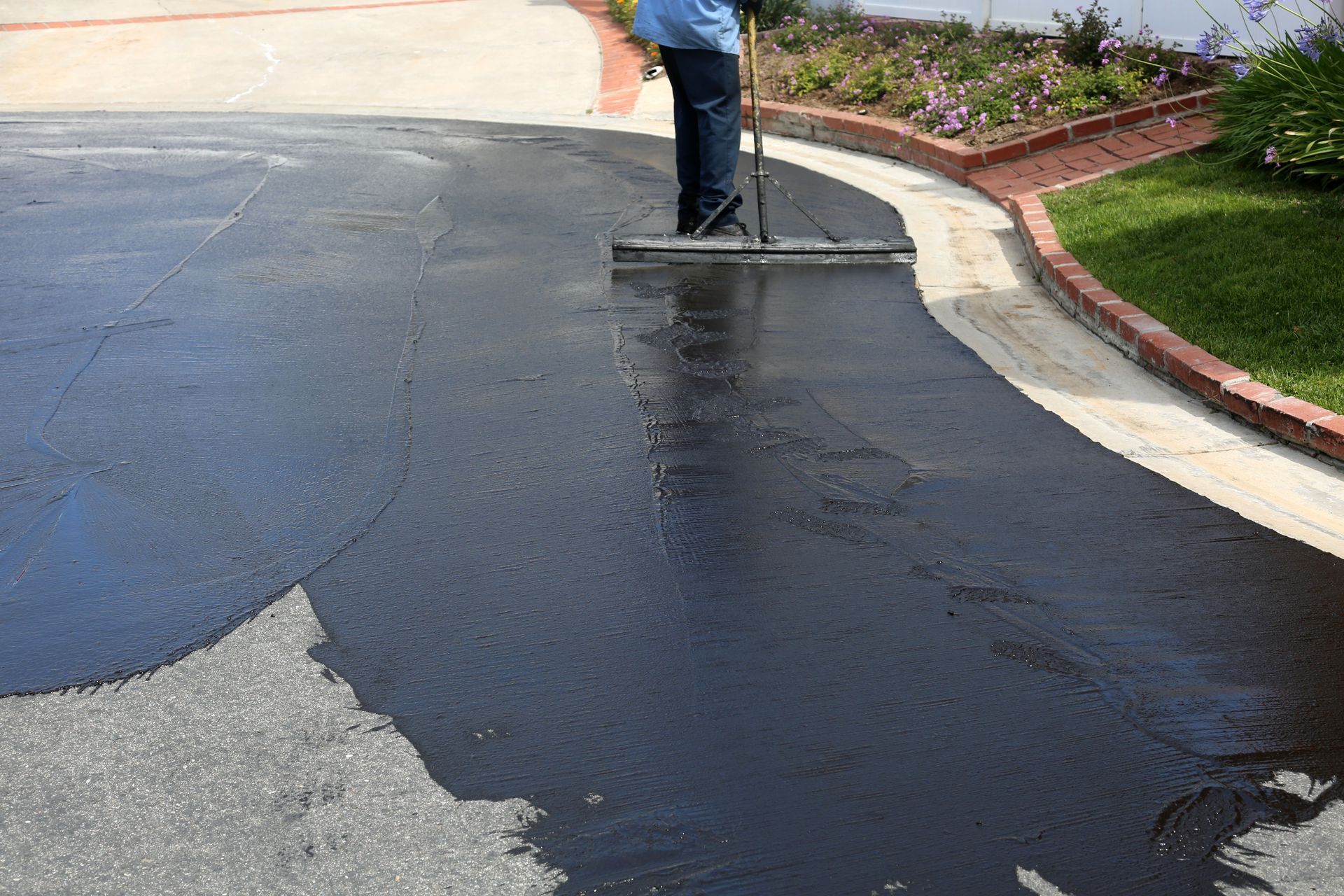
Preventive treatments, including sealcoating and targeted repairs, protect surfaces from oxidation, moisture damage, and ultraviolet exposure. When applied strategically, these measures delay the need for major rehabilitation and help maintain safe driving conditions for users.
Common Challenges in Pavement Construction
Despite its advantages, paved surfaces must contend with challenges related to traffic stress, environmental exposure, and material availability. Heavy vehicle loads increase the risk of deformation if structural design is inadequate. Proper planning and engineering help mitigate these risks.
Extreme weather conditions also influence performance. Heat can soften surfaces, while freezing temperatures promote cracking if moisture is present. Addressing these variables through design adaptation, drainage planning, and material selection is essential for long-term success.
Best Practices and Industry Lessons
Successful projects consistently demonstrate the value of planning, collaboration, and adherence to best practices. Clear communication among designers, contractors, and stakeholders ensures alignment on performance goals and construction standards. These partnerships improve efficiency and reduce costly revisions.
Lessons learned from past failures further strengthen future outcomes. Understanding how issues such as insufficient compaction or drainage oversight affect performance allows professionals to refine techniques and improve reliability across projects.
Future Outlook for Surface Development
The future of roadway construction will continue to emphasize durability, sustainability, and smart infrastructure integration. Ongoing research into materials, additives, and monitoring technologies supports surfaces that last longer and perform better under increasing demands. According to IBISWorld, growth in commercial projects, particularly data centers and warehouses, will drive industry demand.
Site Evaluation and Project Planning
Thorough site evaluation is a foundational step in achieving long-lasting pavement results. Before construction begins, professionals assess soil conditions, load requirements, drainage patterns, and surrounding infrastructure. These evaluations help determine appropriate pavement thickness, base composition, and reinforcement needs.
Effective project planning also accounts for traffic management, scheduling constraints, and environmental considerations. Coordinated planning minimizes disruption to nearby properties and ensures that construction activities proceed efficiently.
Role of Weather and Seasonal Timing
Weather conditions significantly influence paving quality and outcomes. Temperature affects material workability, compaction efficiency, and bonding strength, making seasonal timing an important factor in project success. Performing work during optimal conditions helps crews achieve uniform density and smooth finishes.
Seasonal awareness also supports scheduling flexibility and contingency planning. By accounting for temperature fluctuations and precipitation risks, contractors can adjust timelines and techniques as needed.
Safety Considerations During Asphalt Paving
Safety is an essential component of asphalt services operations for both workers and the public. Clear signage, traffic control measures, and protective equipment reduce the risk of accidents during construction. Well-organized work zones promote efficient movement of personnel and equipment while maintaining compliance with safety regulations.
Long-term safety is equally important. Proper surface smoothness, drainage, and visibility markings enhance driving conditions after project completion. By prioritizing safety throughout construction and design, surface projects support reliable transportation networks and reduce long-term liability concerns.
As innovation accelerates, industry professionals will rely on data, collaboration, and adaptive design to meet evolving transportation needs. These advancements position modern paving solutions as resilient and forward-looking options for infrastructure development. Experienced crews, clear timelines, and transparent communication help property owners make informed decisions, reduce unexpected delays, coordinate inspections, manage budgets responsibly, and achieve surfaces that perform reliably for years nationwide. Contact our team at Tommy's Asphalt today to get connected with our paving services.