November 20, 2026
A commercial parking area serves as the front door to any commercial property, shaping first impressions and ensuring smooth vehicle access for visitors. Maintaining safe, durable asphalt pavement requires understanding when simple surface fixes are enough and when deeper restoration becomes necessary. Choosing the most effective restoration technique safeguards your property investment while keeping daily business operations running without unexpected disruption.
Assessing Common Types of Parking Lot Deterioration
Commercial asphalt faces continuous wear from heavy vehicle traffic, automotive fluid leaks, and fluctuating weather conditions. Minor surface wear often begins as tiny hairline fissures caused by the natural oxidation of petroleum binders under intense sunlight. When water enters these unsealed openings, moisture weakens the subgrade material, causing cracks to expand and form interconnected spiderweb fractures commonly known as alligator cracking. Over time, standing water and repeated tire impact dislodge loose aggregate, eventually forming dangerous potholes that risk vehicle tire damage and create pedestrian trip hazards. Recognizing whether pavement damage is isolated to the top layer or rooted in the structural base helps property owners select the most appropriate asphalt parking lot repair strategy.
Exploring Infrared Patching for Seamless Surface Restorations
Infrared patching provides a fast, thermal method for addressing localized asphalt imperfections like isolated potholes, small depressions, and trip hazards. The infrared restoration process uses specialized heating panels to gently warm existing, damaged asphalt to workable temperatures without burning the binder. Once the asphalt softens, technicians rake out deteriorated material, blend in fresh hot-mix asphalt, and compact the entire area with a heavy roller. Because the new mix bonds thermally with the surrounding heated pavement, it creates a seamless joint that prevents water infiltration along the repair edges. This efficient asphalt parking lot repair approach minimizes downtime, generates minimal construction waste, and allows parking stalls to reopen quickly to patron traffic.
Executing Full-Depth Repair for Subbase Failures
When alligator cracking and deep rutting occur, pavement distress is rarely confined to the surface layers alone. In these severe scenarios, the underlying gravel foundation has compromised load-bearing capability, making topical patching a temporary fix at best. Full-depth repairs begin by saw-cutting the perimeter of the failed zone to create clean, vertical edges before excavating through all asphalt layers down to the raw subbase. Technicians inspect the underlying ground, replace compromised stone aggregate, perform meticulous asphalt base work, and compact the base material thoroughly to establish structural stability. Once the foundation is reinforced, crews apply hot asphalt in compacted lifts, delivering a robust asphalt parking lot repair that prevents recurring collapse in high-load transit lanes.
Utilizing Asphalt Milling for Surface Preparation
For properties suffering from widespread surface distress across extensive areas, complete reconstruction is not always necessary or cost-effective. Asphalt milling offers a precise, non-destructive method to remove damaged upper pavement while keeping the sound structural base intact. Specialized milling machines shave down predetermined depths of oxidized, cracked surface pavement, creating an even, textured profile ready for fresh asphalt bonding. Milling also helps eliminate drainage issues and ensures smooth transitions around concrete curbing, drainage basins, and pedestrian walkways without raising overall surface elevations. Removing only deteriorated pavement layers reduces overall material costs, saves installation time, and sets an ideal mechanical foundation for subsequent resurfacing.
Implementing Mill-and-Overlay for Large Scale Renewal
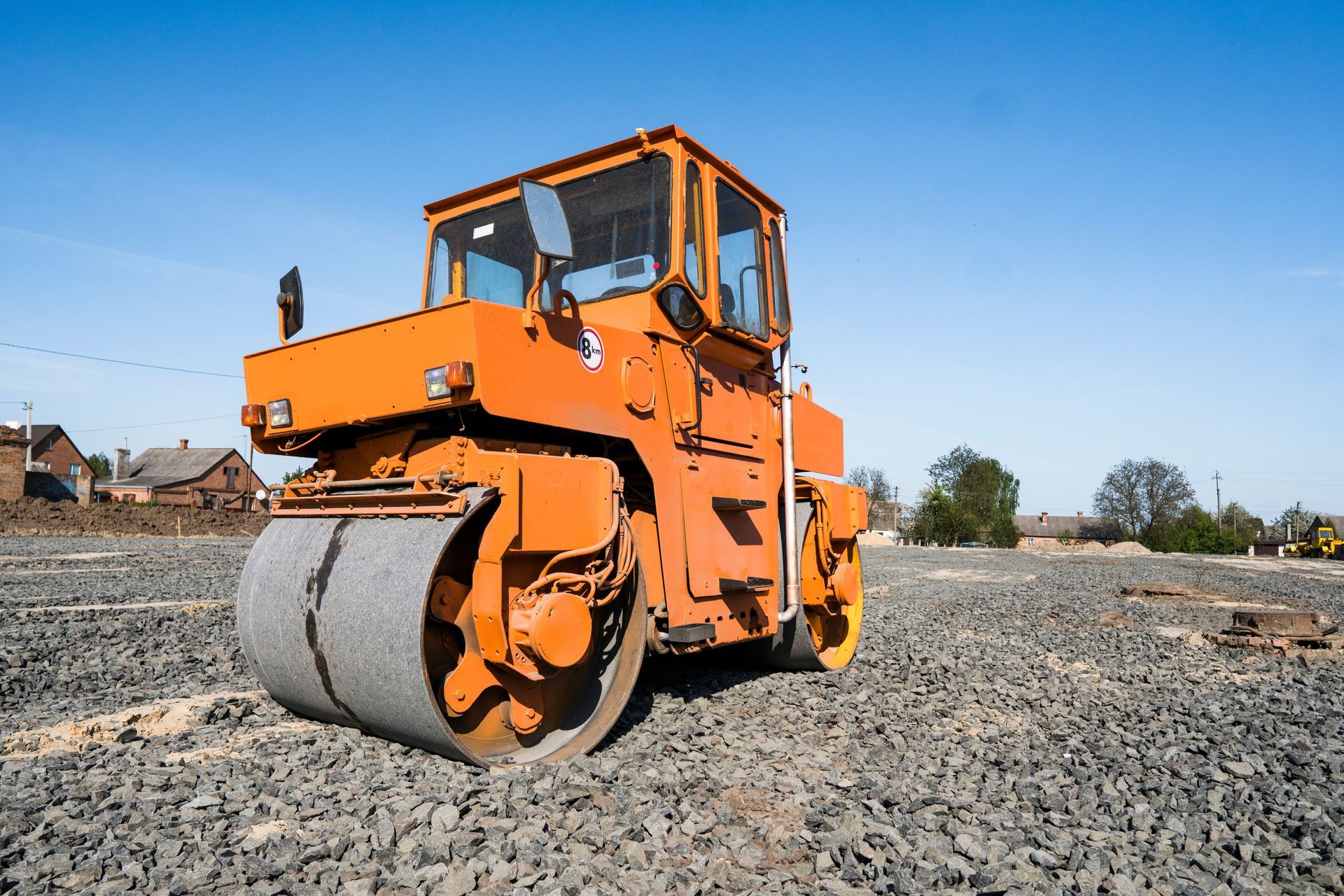
Following the milling process, an asphalt overlay delivers a brand-new wearing course across expansive commercial areas. Heavy-duty asphalt pavers distribute fresh hot-mix asphalt evenly across the milled profile, followed by mechanical vibratory rollers that compact the material to exact density specifications. This comprehensive resurfacing method restores structural integrity, smooths out rough driving lanes, and creates an attractive, dark blacktop appearance across the entire property. According to Strategic Market Research, parking lots and commercial spaces represented 14.0% or USD 0.355 billion of the asphalt pavers market in 2025. Investing in complete resurfacing through mill-and-overlay extends pavement service life by over a decade, making it a cornerstone of long-term commercial property management.
Maintaining Surface Integrity with Routine Crack Sealing
Preventive care remains the most economical strategy to avoid large-scale reconstruction and costly emergency paving services. Water is the primary enemy of asphalt structures, as moisture penetration rapidly erodes subgrade stone and causes foundation settlement. Dedicated crack sealing seals cracks with hot-pour rubberized sealant, creating an impermeable, flexible barrier that moves with seasonal thermal expansion and contraction. Routine parking lot crack fills prevent small cracks from growing into severe structural breaches that require deep excavation. Incorporating seasonal crack maintenance into your facility routine slows down aggregate oxidation and protects the underlying base from water infiltration year after year.
Applying Protective Sealcoating for Lasting Durability
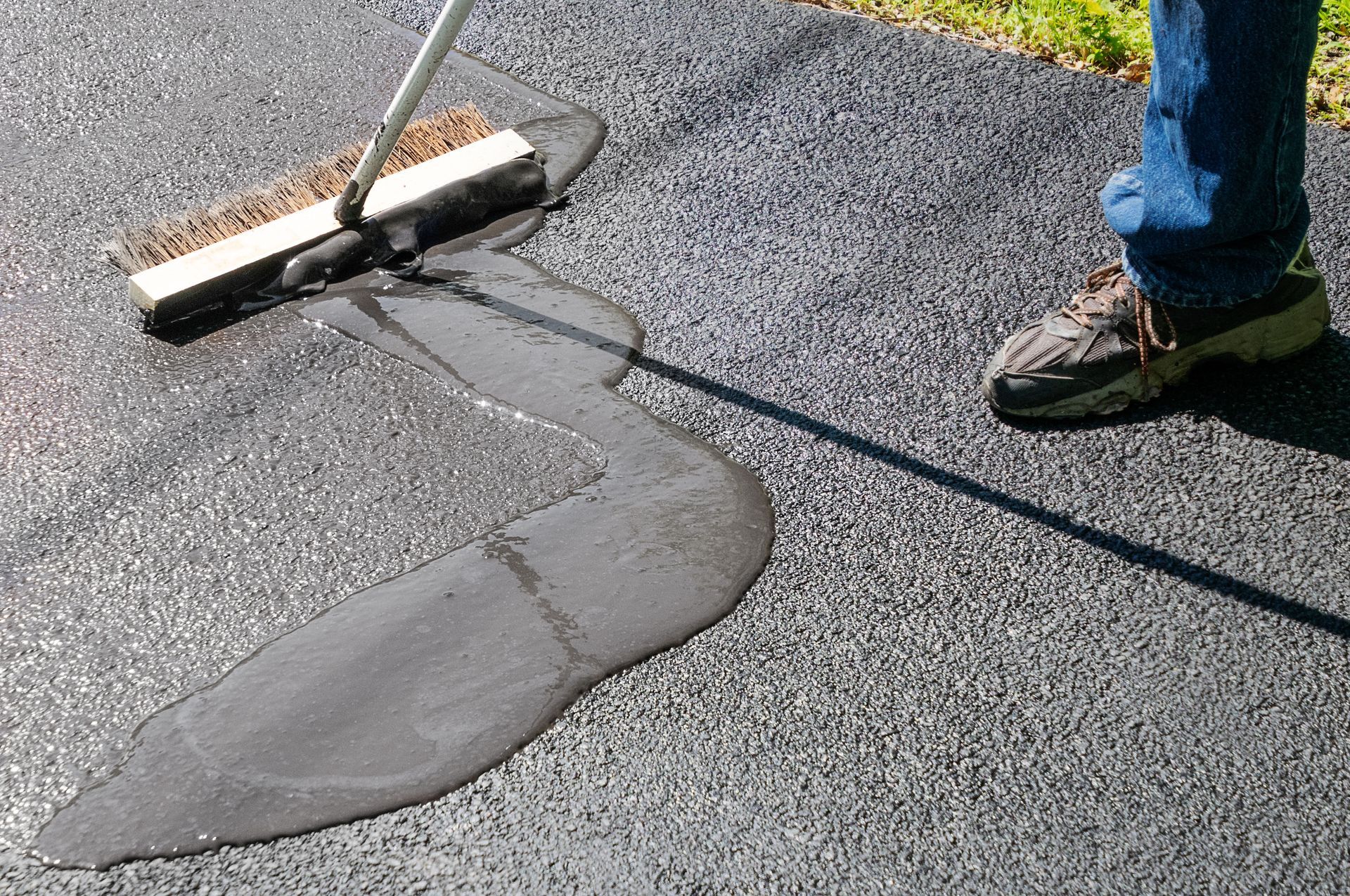
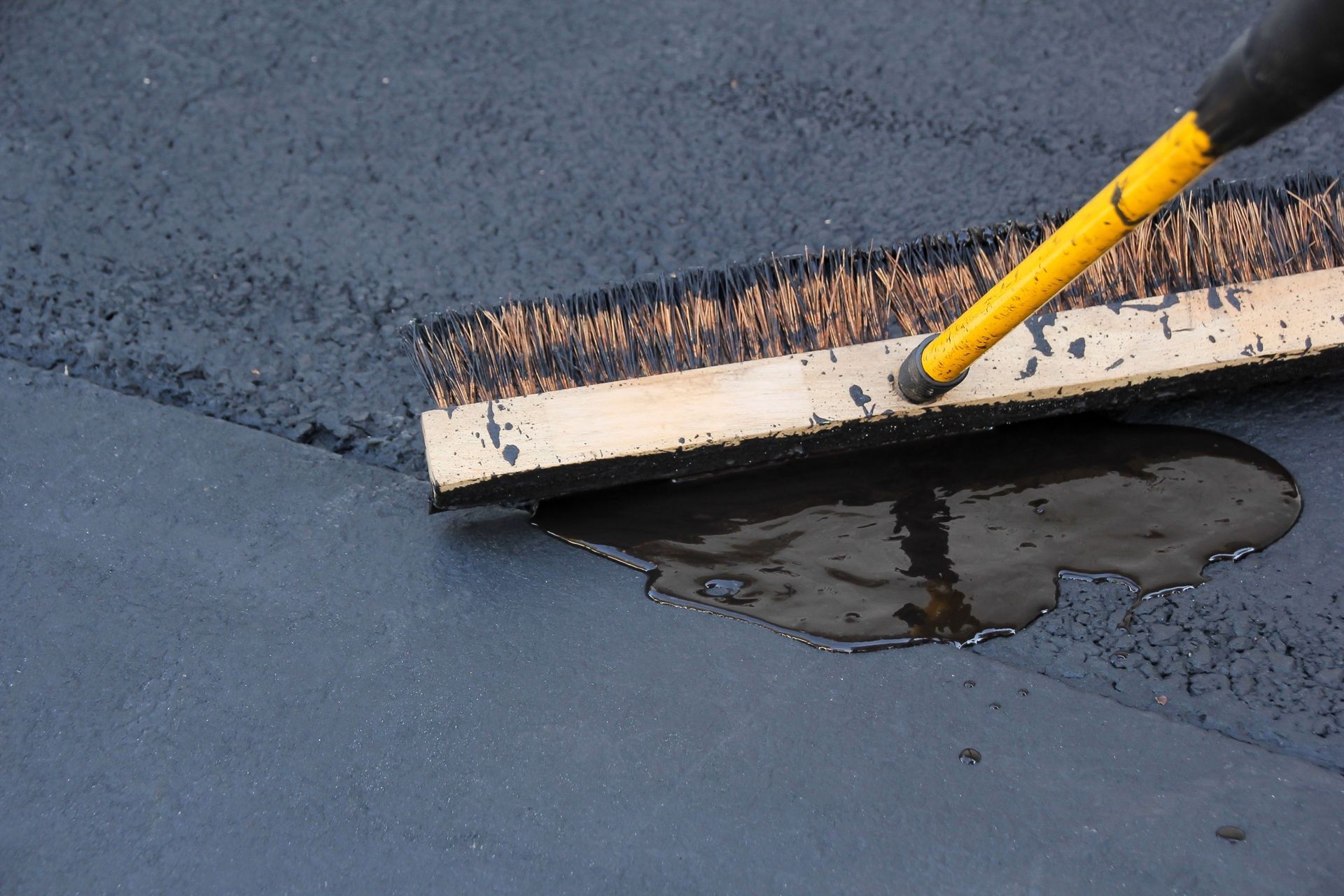
Unprotected asphalt gradually fades from deep black to dull gray as ultraviolet sunlight dries out critical bitumen binders, leaving pavement brittle. Applying protective commercial sealcoating seals porous surface aggregate, shielding the underlying asphalt against sun damage, motor oil drips, and standing rain. Fresh sealcoating enhances exterior curb appeal, presenting a crisp, well-maintained appearance that instills consumer confidence from the moment visitors arrive. Beyond appearance, sealcoats create a smooth, clean wearing surface that simplifies sweeping and debris removal. Regular parking lot sealcoating applications performed every two to three years protect asphalt pavement and significantly delay the need for intensive asphalt parking lot repair.
Restoring Traffic Safety with Fresh Line Striping
A freshly paved or repaired parking lot requires clear visual organization to protect pedestrians and optimize vehicle navigation. Over time, heavy tire friction and sunlight fade parking stall dividers, directional arrows, loading zone designations, and fire lane markings. Crisp, professional asphalt parking lot striping establishes distinct driving lanes, delineates customer parking stalls, and designates required accessibility parking spaces that meet strict regulatory guidelines. Clearly marked spaces eliminate confusion, reduce minor vehicle collisions, and maximize the overall parking capacity of your commercial space. Combining durable asphalt repairs with bright, accurate layout striping ensures your facility operates safely, efficiently, and professionally every day.
Evaluating Chip Seal Services for Extended Pavement Areas
For commercial properties managing expansive access roads, secondary storage yards, or rural commercial driveways, alternative surfacing methods offer practical performance. Chip seal services, often referred to as tar and chip services, apply a layer of hot liquid asphalt emulsion topped immediately with finely crushed stone aggregate. Heavy rollers press the stone chips firmly into the warm liquid binder, creating a durable, textured surface that delivers excellent vehicle traction. This cost-efficient paving method seals existing hairline cracks, shields the subgrade from moisture penetration, and provides a durable driving surface at a fraction of standard hot-mix paving costs. Utilizing chip sealing on auxiliary transit areas allows property managers to allocate repair budgets efficiently across their facilities.
Scheduling Timely Patchwork to Reduce Property Liability
Ignoring small asphalt potholes or uneven transitions can expose property owners to costly vehicle damage claims and customer trip-and-fall injuries. Implementing localized parking lot patchwork promptly stabilizes isolated problem areas before traffic turns shallow divots into deep structural craters. Experienced technicians square off damaged edges, clean out loose rubble, and install high-density asphalt patches flush with adjacent surfaces to restore seamless traversability. Immediate asphalt parking lot repair not only limits safety hazards for customers and employees but also halts the rapid spread of subbase moisture saturation.
Choosing the right pavement restoration method ensures your commercial property remains safe, attractive, and accessible for employees and visitors alike. Whether your facility requires localized patching, deep foundation stabilization, or complete resurfacing, proactive maintenance prevents costly structural replacements. For reliable commercial paving and dependable asphalt parking lot repair, contact Tommy's Asphalt to schedule your evaluation and receive an estimate tailored to your project.