November 24, 2026
Every commercial parking lot serves as the welcome mat for your customers, employees, and visitors every single day. When asphalt begins to crack, sink, or crumble, it usually signals that something is happening beneath the surface rather than a simple cosmetic issue. Understanding how your pavement foundation behaves helps you make informed choices about asphalt parking lot repairs before small blemishes turn into significant structural liabilities.
Understanding the Role of the Foundation
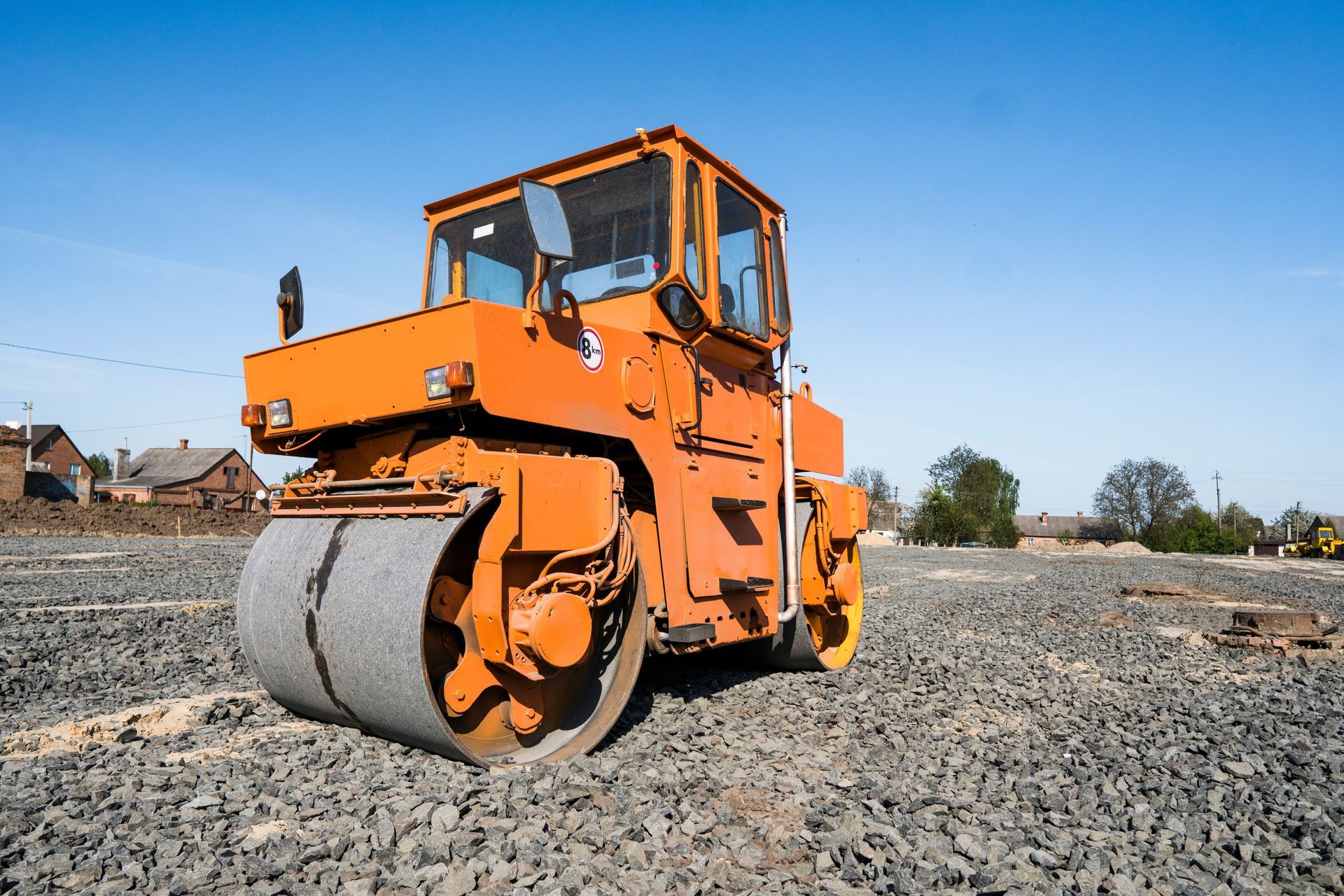
A durable parking area relies heavily on what sits out of sight. While the dark, smooth asphalt provides a level driving surface, the real strength comes from the engineered subgrade and compacted aggregate base below it. This foundation distributes the heavy loads of moving cars, delivery trucks, and trash haulers across a wide area of soil.
When that subbase stays dry, properly compacted, and stable, your surface asphalt can flex slightly under traffic without failing. However, when moisture infiltrates the lower layers or when the base material shifts, the surface loses its essential support system. Knowing how to diagnose the warning signs early saves you time, preserves property value, and keeps your property safe for everyone who visits.
Decoding Alligator Cracks in High Traffic Zones
Alligator cracking, often called fatigue cracking, earned its name from the interconnected pattern of multi-sided shapes that resemble reptilian skin. These cracks typically appear in sections of your parking lot that experience repetitive traffic, such as main drive lanes, drive-thru lanes, and loading areas.
When heavy vehicles repeatedly travel over an area with insufficient base support, the asphalt flexes beyond its structural tolerance. With every passing tire, tiny fissures form at the bottom of the asphalt layer and migrate upward toward the surface. As these cracks connect, they create loose blocks of pavement that rock under tire pressure.
Simply filling these surface fissures with standard sealant is rarely a permanent solution. Moisture readily penetrates open network cracks, softening the underlying aggregate and accelerating subbase erosion. When alligator cracking covers an area, standard surface treatments will not hold up for long. True remediation requires addressing the unstable base layer through targeted asphalt parking lot repairs to restore structural integrity.
Identifying the Mechanics Behind Surface Rutting
Rutting appears as permanent longitudinal depressions along the wheel paths where vehicles regularly travel. Unlike scattered cracks, ruts follow the specific tracks created by repetitive vehicle movement and are especially noticeable after rainstorms when standing water collects in long, shallow channels.
This condition is an explicit signal of displacement within your pavement layers. In many cases, rutting reveals that the aggregate base beneath the asphalt was either improperly compacted during initial construction or constructed with inadequate thickness to handle your property daily vehicle traffic. Over time, constant downward pressure forces base particles sideways, leaving a permanent depression above.
Rutting can also happen when severe heat softens the surface mix, but deep depressions almost always stem from base movement. Water standing in these channels slowly seeps into microscopic fissures, weakening the aggregate foundation further. When rutting creates navigation hazards or drainage issues for your guests, comprehensive asphalt parking lot repairs must target both the depressed asphalt and the shifted base underneath.
Analyzing How Base Failure Generates Potholes
Potholes represent the final, advanced stage of unaddressed foundation deterioration. They rarely appear overnight without prior warning; instead, they develop as the natural culmination of unsealed cracks, moisture exposure, and constant vehicle impact.
The process begins when surface cracks allow rain and runoff to reach the aggregate subbase. As the base material becomes saturated, it softens and washes away into surrounding soil voids. During seasonal freeze and thaw cycles, trapped water expands, pushing the asphalt upward, and leaves empty pockets beneath the pavement once it melts.
When a heavy vehicle drives over this unsupported pocket, the thin asphalt bridge collapses into the void, creating an immediate pothole. Each subsequent vehicle that strikes the hole dislodges more aggregate, deepening the cavity and damaging more surrounding pavement. Prompt asphalt parking lot repairs that rebuild the broken base and replace the missing asphalt are necessary to prevent vehicle damage and pedestrian trip hazards.
Examining the Growing Need for Pavement Upkeep
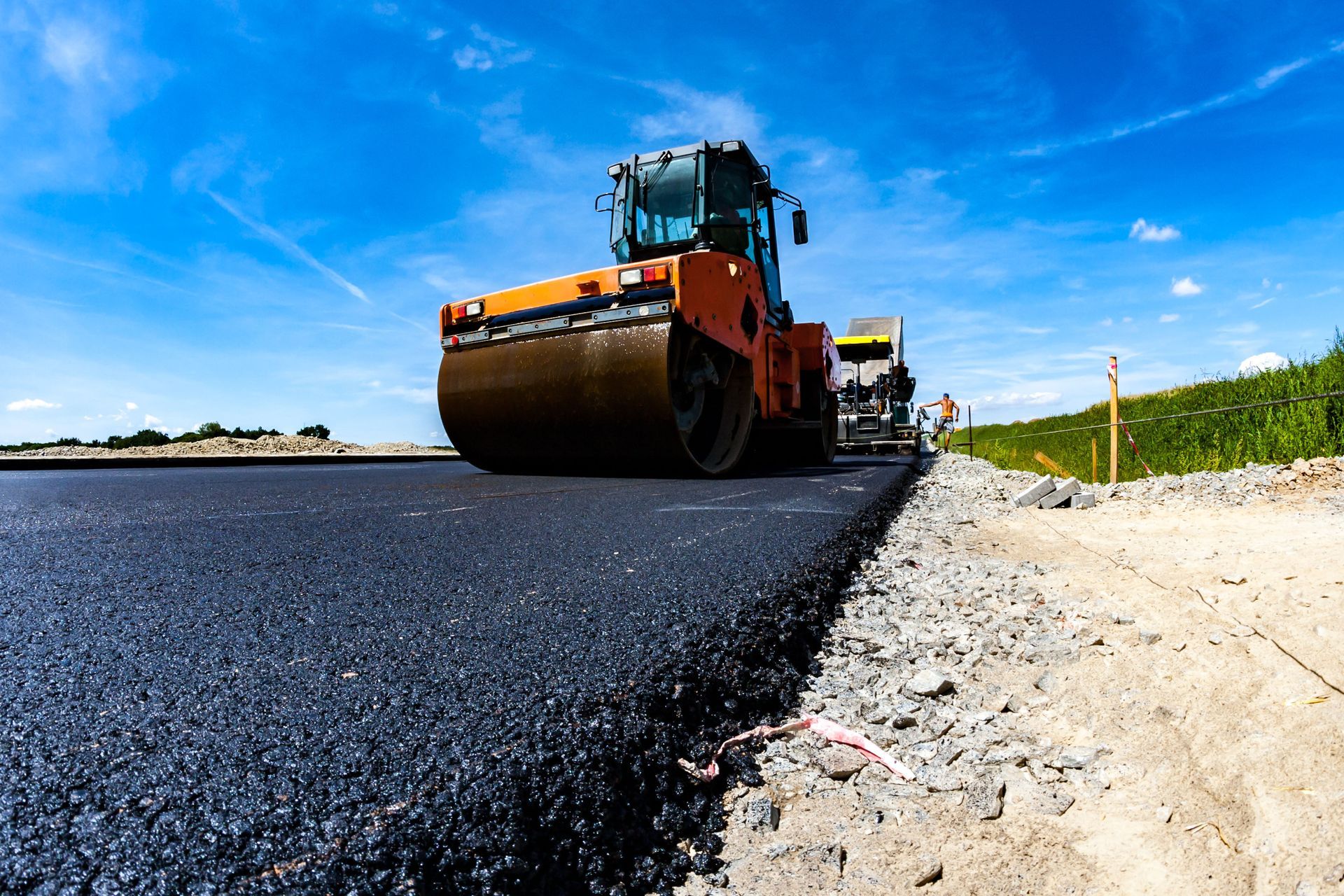
Property managers across the nation face similar challenges when maintaining commercial access roads and busy lots. Commercial traffic continues to rise alongside regional development, putting consistent stress on existing infrastructure. Modern commercial sites demand durable paving equipment, skilled installation practices, and regular maintenance to remain functional and presentable.
According to Mordorintelligence.com, the asphalt paver market is expected to grow from USD 3.07 billion in 2025 to USD 3.23 billion in 2026. This sustained expansion underscores the continuous investment businesses must make to keep their paved surfaces safe, efficient, and welcoming. For local facilities, staying ahead of base deterioration ensures you maximize your property investment rather than paying for full premature replacements.
Evaluating Environmental and Drainage Factors
Pavement failure is rarely caused by traffic weight alone, as water management plays an equally critical role. A properly engineered parking area uses planned slopes, catch basins, and perimeter swales to direct runoff away from the pavement edges and away from the base layers.
When parking lot drainage systems back up, or when landscape beds drain directly beneath the pavement curb, the aggregate foundation stays persistently damp. Constant dampness reduces the friction between crushed stone particles, cutting the load-bearing capacity of the base in half. Property owners should watch for standing puddles that remain more than twenty-four hours after rainfall, persistent dark moisture stains surrounding surface cracks, and sunken pavement around storm drain collars. Fixing these drainage paths alongside targeted asphalt parking lot repairs ensures that newly installed base material remains completely dry and structurally sound for the future.
Choosing the Correct Long-Term Solutions
Not every parking lot defect requires full reconstruction, but choosing the proper service depends on an accurate diagnosis of the underlying base. Applying a quick topical patch over a compromised foundation is a temporary measure that often leads to recurring damage within months.
When cracks are linear, isolated, and have not yet formed spiderweb patterns, crack sealing prevents moisture from reaching an otherwise healthy base. When alligator cracks or potholes appear, full-depth patching becomes necessary so contractors can excavate down to solid ground, install compacted aggregate stone, and lay fresh hot asphalt. For lots with sound foundations but weathered surfaces, milling and resurfacing with a fresh overlay provides a brand-new driving plane without the expense of complete base excavation. When widespread failure compromises the entire property footprint, full reconstruction provides the necessary re-grading and foundation stabilization. Investing in timely, professional asphalt parking lot repairs protects the integrity of your property, enhances curb appeal, and provides your visitors with a dependable, smooth parking experience.
Restoring Your Pavement with Tommy's Asphalt
Maintaining a secure, polished, and safe commercial parking lot requires working with experienced specialists who understand pavement from the dirt subgrade up. Rather than simply covering over structural flaws with temporary fixes, a knowledgeable team pinpoints the exact source of subbase distress, corrects critical drainage faults, and implements lasting solutions tailored to your property's daily traffic volume. Tommy's Asphalt provides dependable paving, patching, and pavement maintenance services designed to solve foundational issues and extend the lifespan of your asphalt surfaces. Our crew utilizes high-grade materials and proven compaction techniques to ensure your lot remains smooth, resilient, and visually appealing year after year. Contact Tommy's Asphalt today to schedule an on-site evaluation of your parking lot and receive a customized plan for your repair needs.