March 31, 2026
Property owners often focus on visible improvements such as landscaping, exterior paint, or updated walkways, yet the condition of paved surfaces plays an equally important role in appearance, function, and long-term value. Driveways, parking areas, and private roads are exposed to weather, sunlight, vehicle traffic, moisture, and chemical spills throughout the year. Over time, even well-installed pavement begins to show signs of wear that can affect both curb appeal and structural performance. Understanding how asphalt seal coating works helps property owners make more informed decisions about maintenance and budgeting.
Because asphalt is a flexible paving material, it performs well under a wide range of conditions, but it is not immune to deterioration. Cracking, fading, surface drying, and gradual erosion can all develop when routine care is delayed. Asphalt seal coating is one of the most common maintenance services used to protect paved surfaces and extend their useful life. For property owners who want to preserve their investment, improve surface appearance, and reduce the likelihood of larger repairs, it is important to understand what this service does, when it is needed, and how it fits into a broader pavement maintenance plan.
Understanding Surface Protection
Asphalt surfaces are constantly exposed to elements that contribute to gradual breakdown. Sunlight oxidizes the surface and causes it to lose flexibility. Rainwater can seep into small imperfections and weaken the base over time. Oil, gasoline, and other automotive fluids may soften or stain the pavement. Repeated traffic pressure also contributes to surface wear, particularly in areas where vehicles frequently stop, turn, or remain parked.
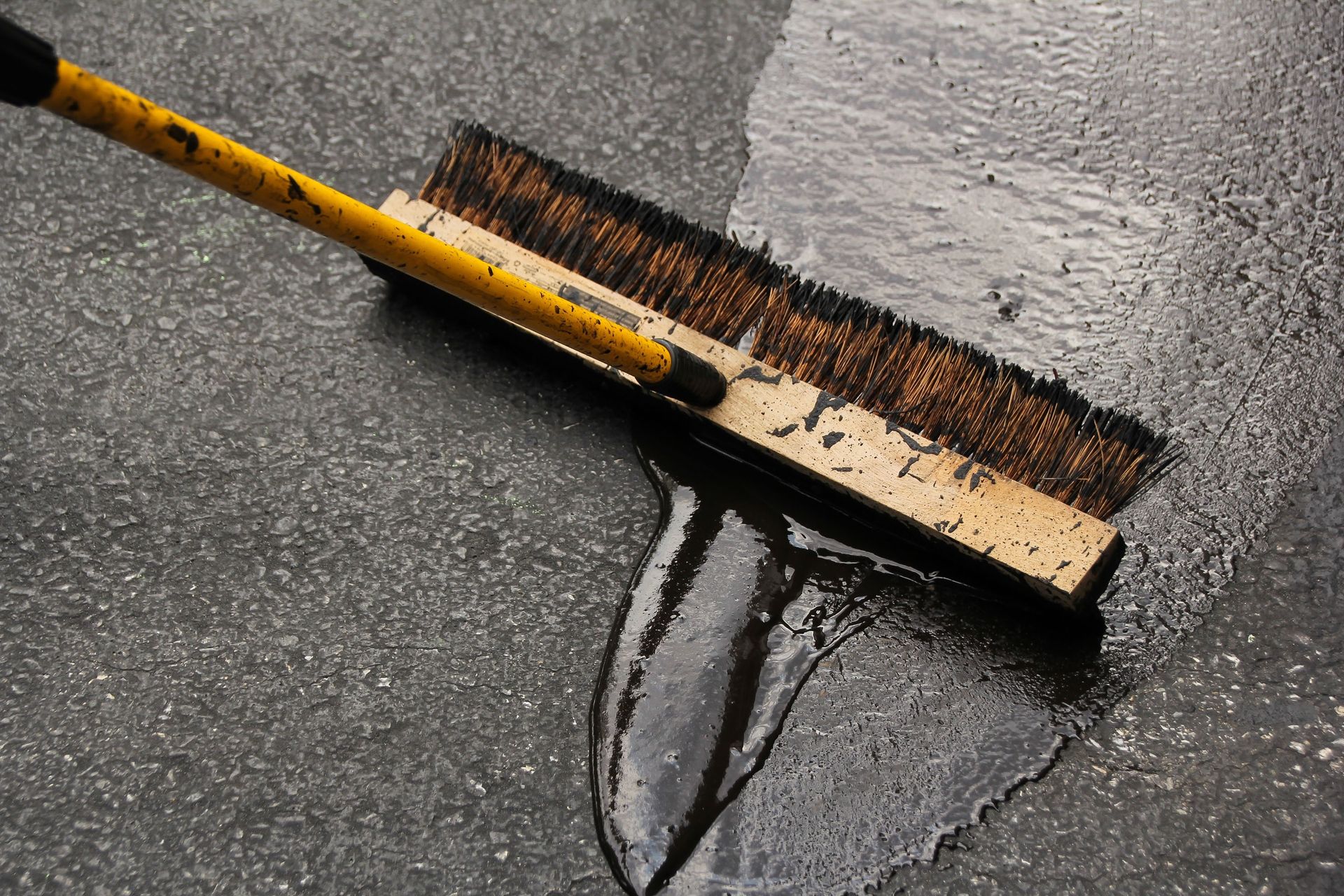
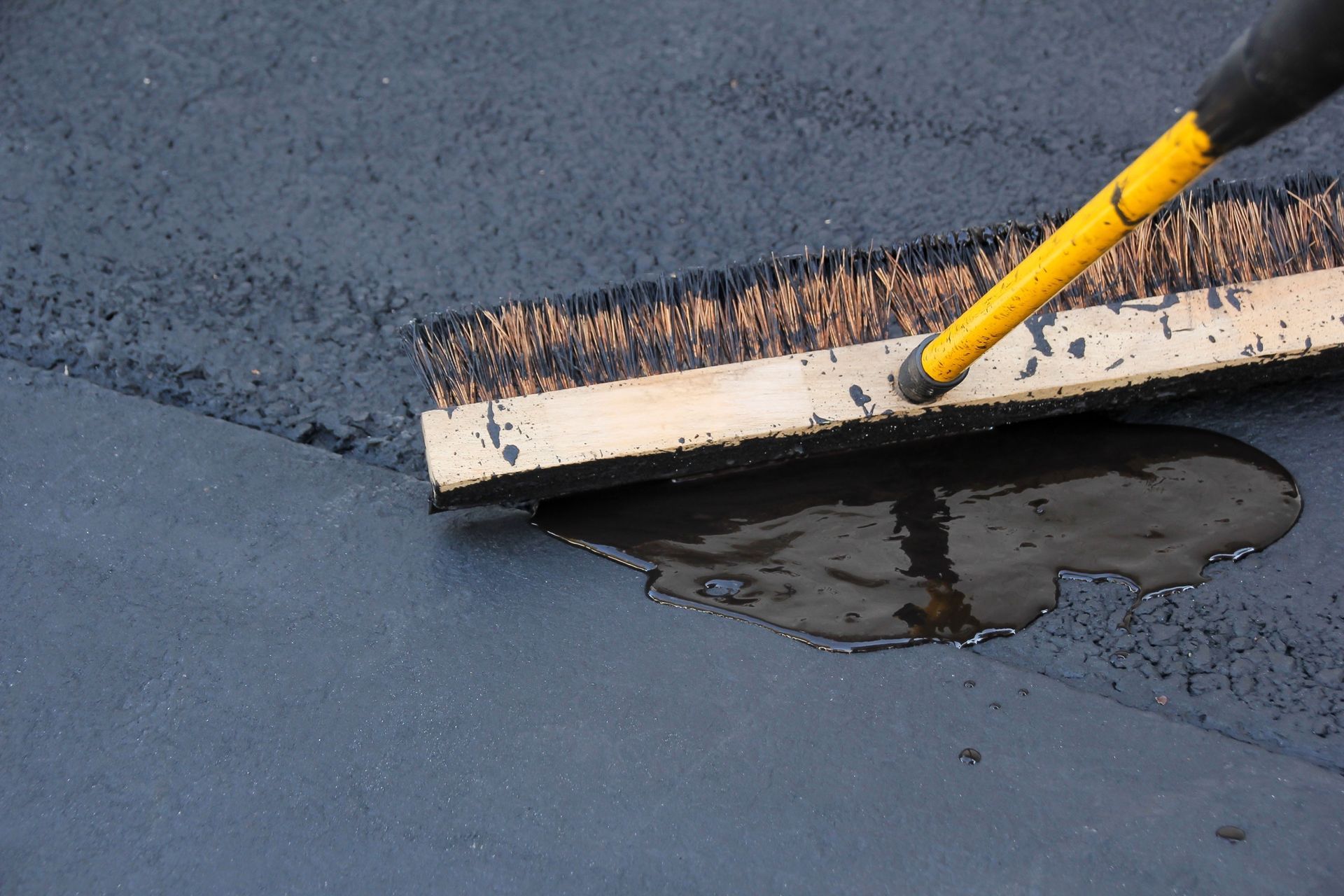
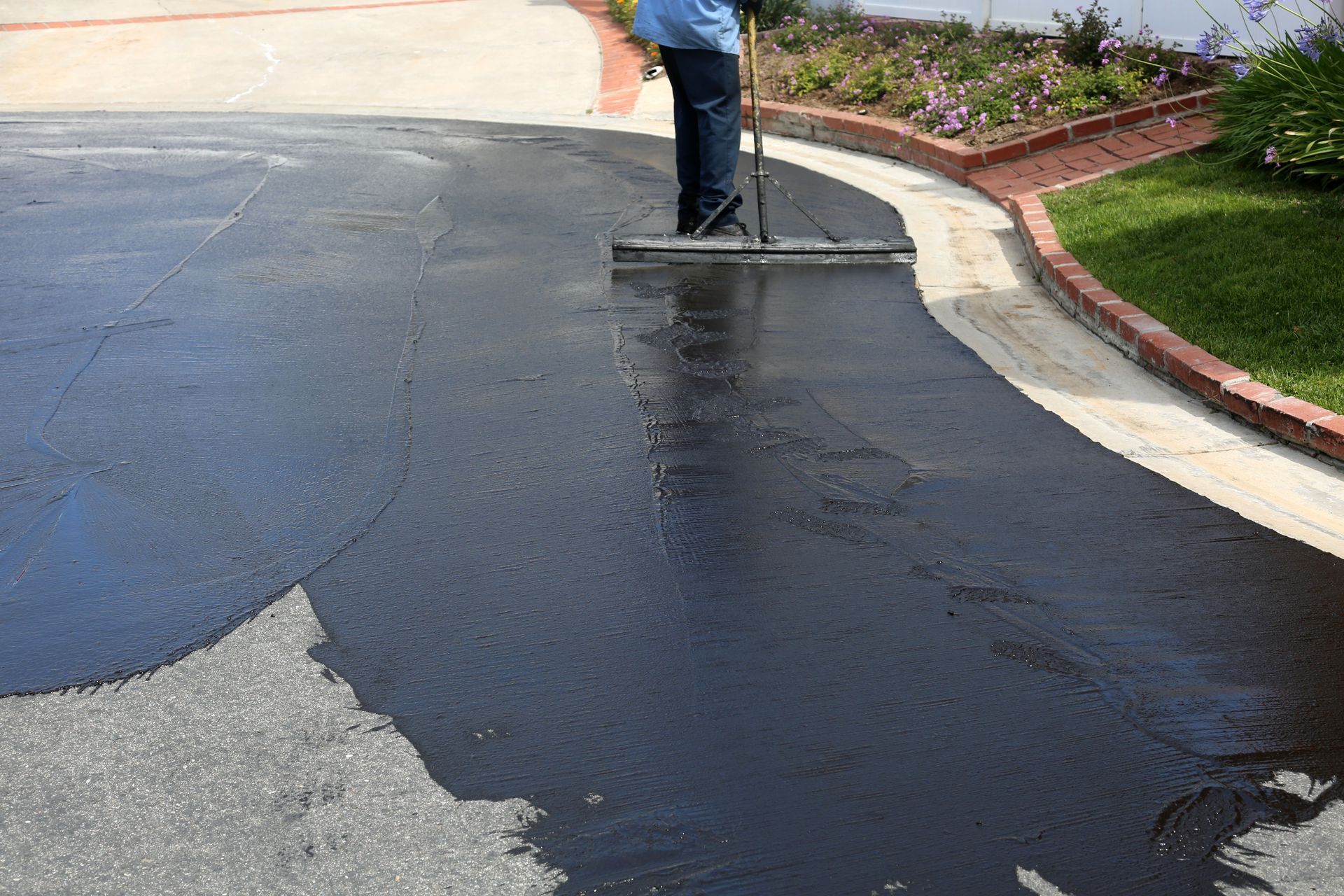
Asphalt seal coating helps create a protective layer over the surface of the pavement. While it does not repair major structural damage, it acts as a barrier that reduces the direct impact of moisture, ultraviolet rays, and chemical exposure. This added protection can slow the aging process and help the pavement maintain a more uniform appearance.
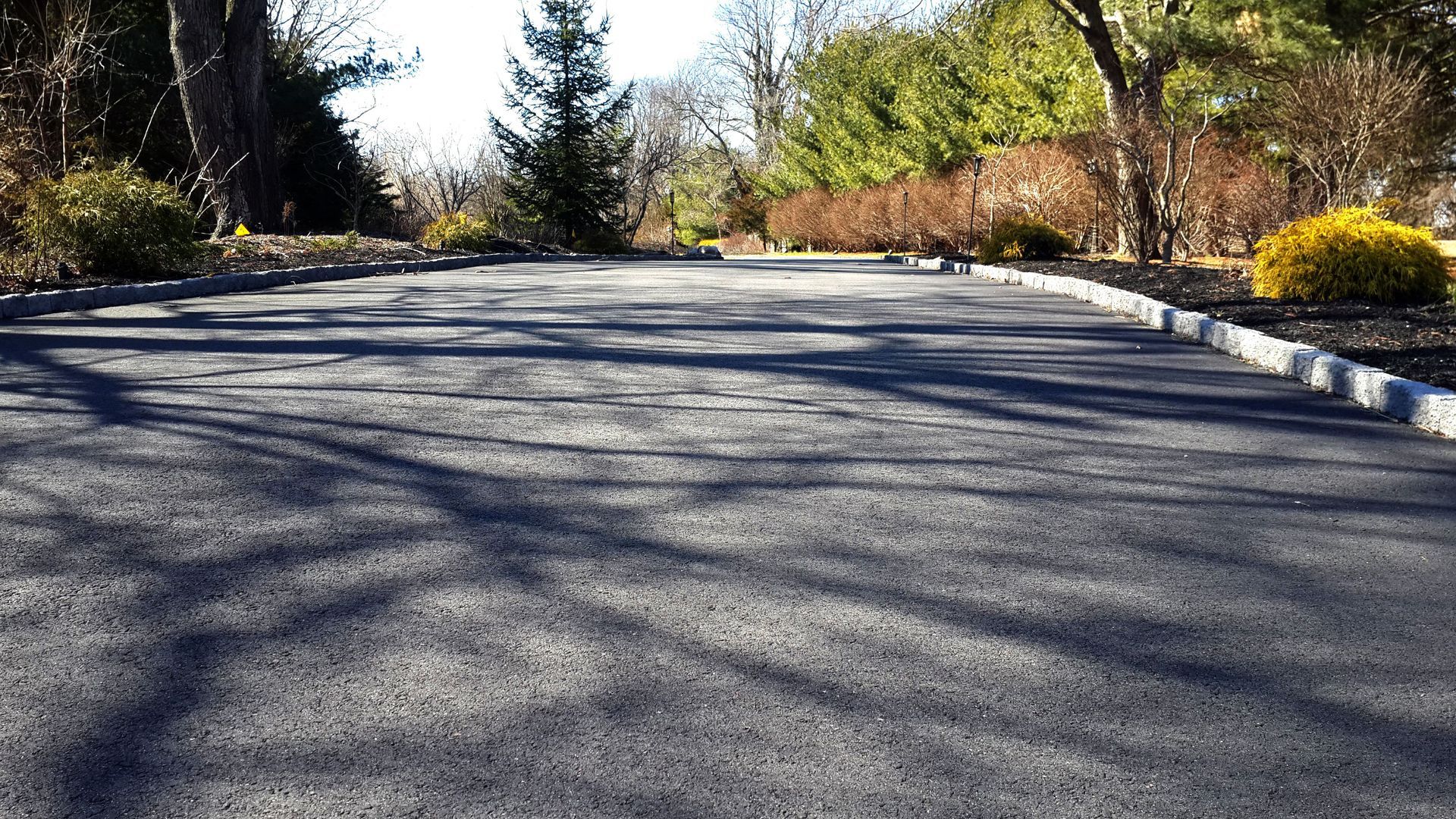
For many property owners, asphalt seal coating is valuable because it supports both function and presentation. A darker, freshly sealed surface often looks cleaner and better maintained, which can improve the overall impression of a residential or commercial property. At the same time, the treatment helps preserve the top layer of pavement so that small signs of wear do not accelerate as quickly.
Recognizing Early Signs of Wear
One of the most important parts of pavement care is learning to identify when maintenance may be needed. Property owners do not have to wait until severe cracking or potholes appear before taking action. In fact, earlier intervention is usually more cost-effective and less disruptive than waiting for visible damage to spread.
Common warning signs include fading color, a rough or brittle texture, minor surface cracks, and areas that appear dry or uneven. These changes often indicate that the asphalt is losing protective oils and becoming more vulnerable to the elements. Asphalt seal coating is often recommended before that wear develops into larger defects that require patching or resurfacing.
Timing matters because sealing too late may limit the benefits of the service. According to This Old House, you should seal your driveway every three to five years or when the surface starts to appear gray and worn. That guidance gives property owners a practical benchmark for evaluating their pavement. If a driveway or lot has begun to lose its rich black color and looks weathered, it may be a sign that maintenance should be scheduled soon.
Planning Routine Maintenance
Pavement maintenance is most effective when it is treated as an ongoing responsibility rather than a one-time fix. Asphalt surfaces age gradually, and their condition is influenced by installation quality, drainage, traffic volume, and local climate. For that reason, asphalt seal coating should be viewed as one component of a broader maintenance strategy that may also include inspections, crack filling, cleaning, and repair work.
Routine planning allows property owners to budget for service before urgent problems arise. It also helps ensure that pavement is evaluated at appropriate intervals instead of being ignored until deterioration becomes obvious. A professional contractor can assess the condition of the surface and recommend whether sealing alone is sufficient or whether repairs should be completed first.
This planning process is especially important for commercial properties or multi-unit residential sites where pavement contributes to safety and daily access. Cracks, loose aggregate, and worn surfaces can affect how vehicles and pedestrians move through the property. Scheduling asphalt seal coating as part of regular upkeep can help reduce the rate of decline and support a cleaner, more professional appearance throughout the year.
Preparing Surfaces Properly
A successful seal coating project depends heavily on preparation. Applying sealant to a dirty, damaged, or damp surface can reduce adhesion and lead to uneven results. Before asphalt seal coating begins, the pavement should typically be cleaned thoroughly to remove dirt, debris, and surface contaminants. Any cracks or damaged areas may also need to be addressed in advance so that the coating can perform as intended.
Preparation is one reason professional service matters. Contractors understand how weather conditions, surface temperature, and pavement age can affect the outcome. They also know that sealing is not a substitute for structural repair. If the asphalt has widespread cracking, drainage failure, or base damage, those concerns may need to be corrected before sealing is worthwhile.
Property owners should also understand that newly sealed pavement usually needs time to cure before it can handle vehicle traffic. Planning around that temporary downtime is an important part of the process, especially for busy driveways or parking areas. Clear communication about timing, access, and post-service care can help prevent avoidable damage to the new coating.
Protecting Long-Term Property Value
Exterior maintenance affects more than appearance alone. The condition of paved surfaces contributes to how people evaluate a property, whether they are residents, guests, tenants, or prospective buyers. Driveways and parking areas that look faded, cracked, or neglected can make the rest of the property seem less cared for, even when the building itself is in good condition.
Asphalt seal coating supports long-term property value by helping paved areas remain more attractive and serviceable over time. It can also delay the need for larger restoration work, which may require more time, expense, and disruption. For owners who want to protect hardscape investments, sealing can be a practical way to manage wear before it becomes more serious.
Choosing Qualified Professionals
Not all pavement services are equal, and property owners should take care when selecting a contractor. Experience, workmanship, and proper evaluation all influence the final result. A qualified professional should be able to explain whether asphalt seal coating is appropriate for the surface's current condition, what preparation is required, and how long the property should remain clear after application.
It is helpful to work with a contractor who can identify the difference between normal surface aging and more advanced pavement failure. Honest recommendations are important because some surfaces need crack repair, patching, or other corrective work before sealing can be effective. Property owners benefit when contractors provide realistic expectations instead of presenting sealing as a cure for every asphalt issue.
Communication also matters. A dependable contractor should explain the scope of work, outline the maintenance timeline, and provide guidance on protecting the surface after the service is completed. This helps property owners make better decisions and avoid confusion about what the treatment can and cannot accomplish. Call Tommy’s Asphalt today to schedule your asphalt paving or repair service.