December 6, 2025
When planning to pave a driveway, parking lot, or any other surface with asphalt, it's essential to understand the key considerations before hiring a professional service. This article will guide you through crucial aspects that help ensure a successful and durable paving project. With an array of contractors in the market, choosing the right one for your needs can be overwhelming. Making an informed decision involves researching potential contractors, understanding the materials and equipment used, and planning for ongoing maintenance. This comprehensive guide will help you navigate each important aspect of asphalt paving service, ensuring your project is a success.
Understanding Asphalt Paving Service
Asphalt is a versatile construction material composed of aggregates, binder, and filler. The aggregates consist mainly of sand and gravel, held together by a petroleum-based binder known as bitumen. Together, these components create a durable and flexible surface that is ideal for various applications. Due to its cost-effectiveness and accessibility, asphalt is commonly used in projects ranging from residential driveways to extensive highway systems. Understanding its composition is crucial as it affects the quality, durability, and performance of the paving project.
The composition of asphalt can vary depending on the intended application, with temperature and traffic conditions influencing the aggregate and binder proportions. Different mixtures can be tailored to withstand specific environmental stresses, ensuring a longer lifespan. The ability to recycle asphalt makes it an environmentally friendly choice, offering benefits in terms of both sustainability and cost reduction. Given these advantages, it is important to select a contractor who employs high-quality asphalt mixtures for optimal results. Thoroughly understanding asphalt's composition aids in making informed decisions about your paving needs.
Choosing the right asphalt mix is only part of the equation; its proper application is equally important. The way asphalt is laid and compacted can significantly impact pavement life and functionality. Ensuring uniform distribution and sufficient compaction prevents water infiltration and optimizes stability. Skilled contractors with expertise in handling different asphalt compositions can achieve superior results in surface flatness and durability. By understanding the intricacies of asphalt composition and application, you arm yourself with the knowledge needed to ensure a successful paving project.
The Paving Process Explained
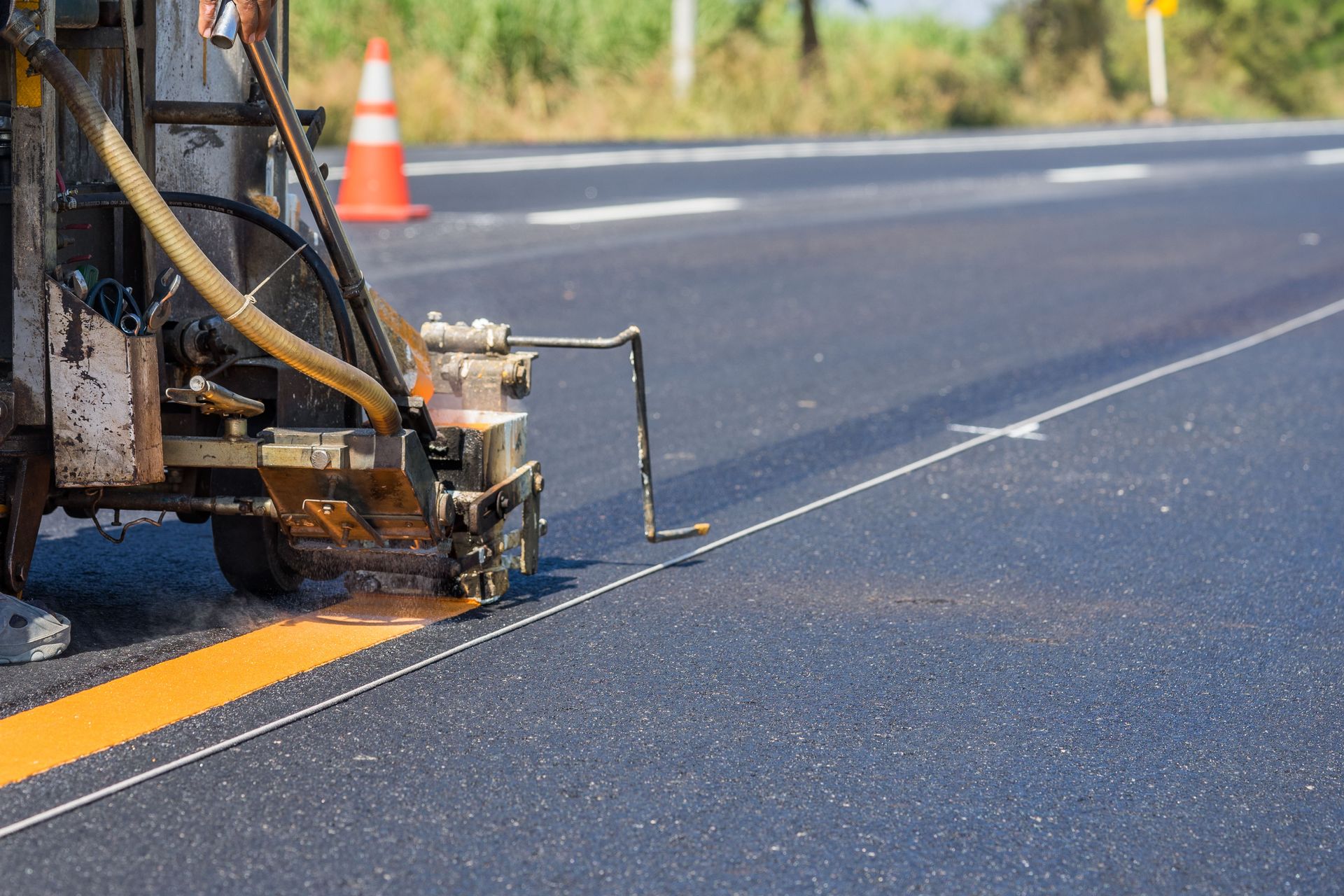
The asphalt paving service process begins with site preparation, which is crucial to creating a stable foundation. This involves removing existing surfaces, grading the area, and installing a sub-base that facilitates proper drainage. After the foundation is set, the asphalt mix is laid and compacted to form a smooth, even surface. Skilled contractors use specialized machinery to spread and compress the asphalt, ensuring optimal thickness and uniformity. A well-executed preparation stage sets the precedent for the overall success of the paving project.
Following the laying of asphalt, compaction is next, ensuring that the pavement is dense and free from air voids. This step is critical in preventing defects such as cracking, raveling, or water penetration. Different rollers and compactors are utilized based on the project's scale and thickness requirements. Expert asphalt paving services understand the importance of meticulously completing this step to enhance pavement longevity and performance. A meticulously compacted surface withstands environmental stressors and heavy traffic with ease.
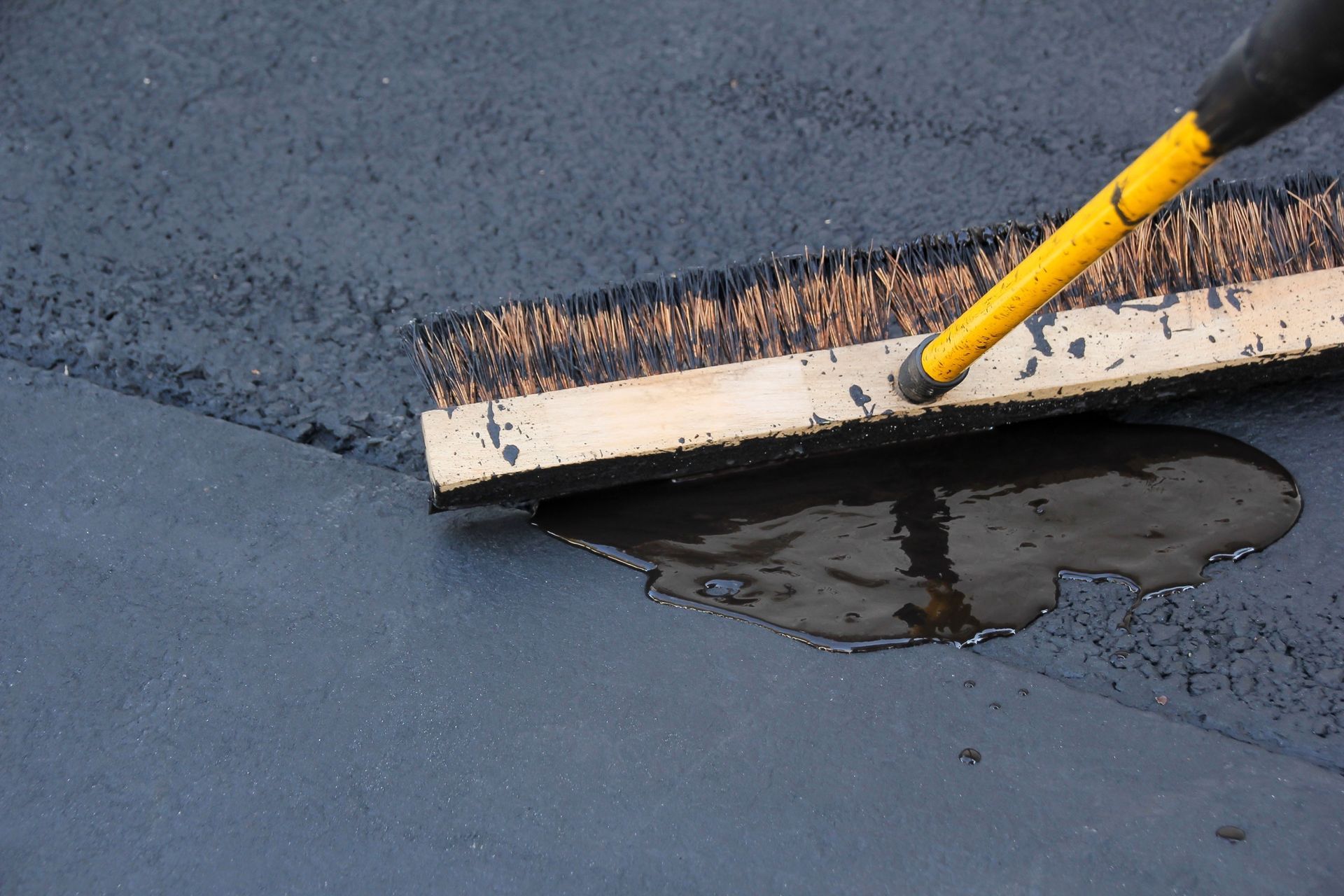
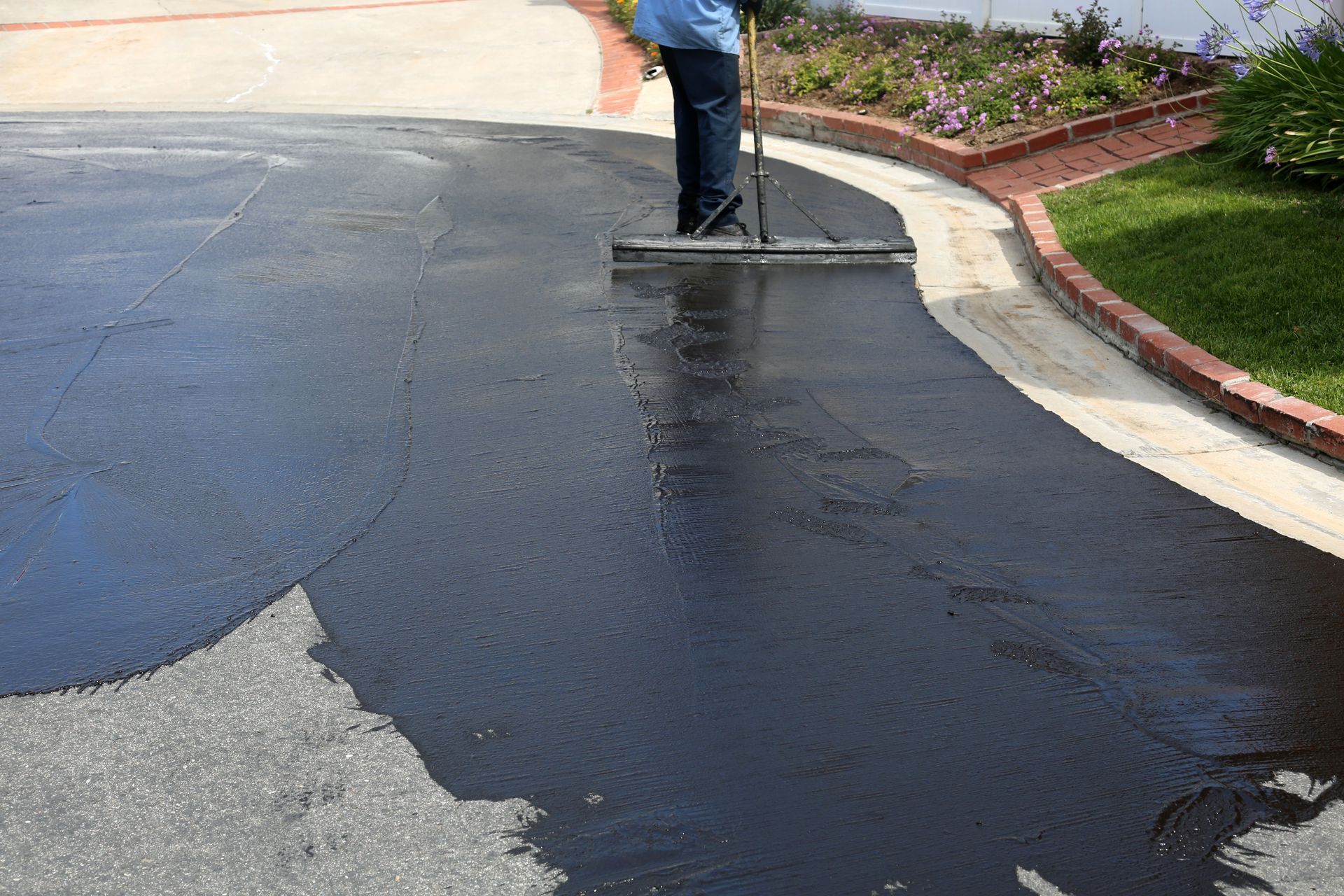
After the paving is complete, the newly paved surface must be allowed time to cure, thereby achieving maximum strength and durability. Although asphalt can be driven on within 24 hours, full curing may take several weeks, depending on environmental conditions. During this time, the pavement's surface will harden and become less susceptible to damage. According to This Old House, regular sealing maintenance should be conducted every three to five years or once the surface appears gray and worn. Proper aftercare is integral to preserving your investment and enhancing the lifespan of your paved surface.
Benefits of Asphalt Paving
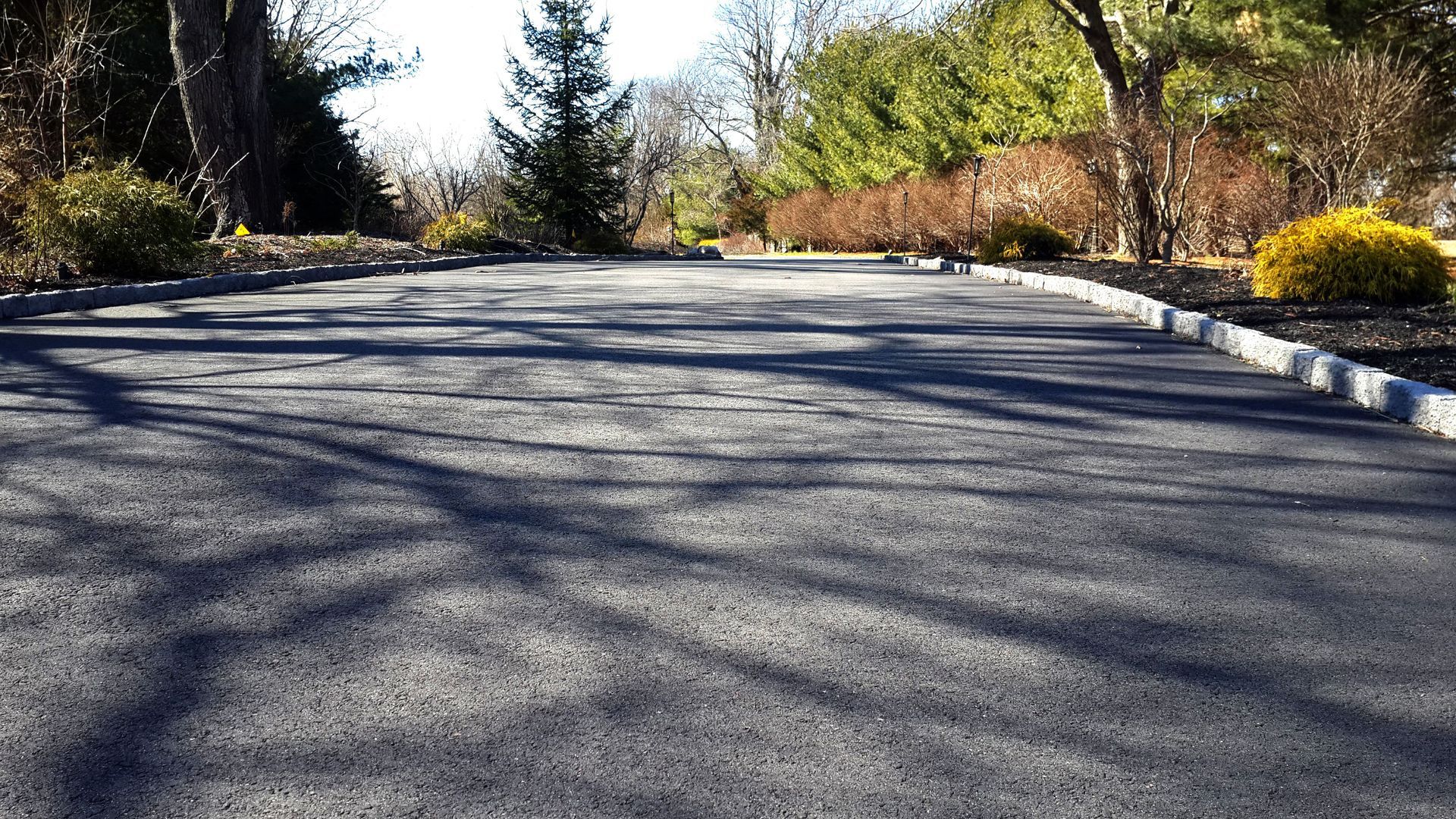
Asphalt paving offers numerous benefits, making it a popular choice for residential and commercial purposes. One major benefit is its cost-effectiveness, both in terms of initial installation and long-term maintenance. Asphalt is a durable material that can withstand heavy traffic and environmental exposure, reducing the need for frequent repairs. Furthermore, it provides aesthetic appeal, with smooth and uniform surfaces that enhance curb appeal. These characteristics make asphalt an ideal option for homeowners and business owners alike.
Another notable advantage of asphalt paving is its rapid installation process. Unlike concrete, which requires lengthy curing times, asphalt can be installed quickly and efficiently, causing minimal disruption to daily activities. This is especially advantageous for businesses that need to maintain operations during renovations. Additionally, asphalt's quick installation doesn't compromise its longevity or quality, thanks to modern paving techniques and materials. The minimal downtime paired with long-lasting performance provides great value for any paving project.
Asphalt is also an environmentally friendly choice, thanks to its recyclability. Used asphalt can be processed and reused in new paving projects, lessening the environmental impact. This recycling process saves on resources and reduces landfill waste, promoting sustainability efforts. Moreover, advancements in asphalt technology have led to the development of eco-friendly mixtures that include recycled materials. By choosing an asphalt paving solution, individuals contribute positively to sustainable construction practices and environmental conservation.
Potential Challenges and Solutions
Despite its advantages, asphalt paving service can present challenges that must be addressed to ensure durability and longevity. One prevalent issue is the development of potholes, which often occur due to water infiltration and heavy traffic. To combat this, contractors carefully grade the sub-base and apply proper drainage solutions during the paving process. Regular maintenance, such as crack sealing, is crucial in preventing these issues from worsening. Working with experienced contractors can help in anticipating and mitigating potential challenges efficiently.
Weather conditions can also pose challenges for asphalt paving projects. Extreme temperatures, both hot and cold, can cause cracking or softening of the surface. To address this, modern asphalt formulations are engineered to accommodate various climates, providing enhanced resilience and adaptability. Additionally, timely sealing and maintenance protect against environmental stressors by creating a protective barrier. This proactive approach to preserving asphalt surfaces ensures long-lasting results, minimizing the impacts of weather-related challenges.
Scheduling and coordinating the paving process around other construction activities can also present logistical challenges. Proper planning and communication with contractors mitigate these issues by ensuring that materials, equipment, and labor are appropriately allocated. Contractual agreements and schedules facilitate a smooth and timely project completion. Reputable asphalt paving companies are equipped to handle such logistics efficiently, minimizing delays and disruptions. By anticipating challenges and implementing strategic solutions, the quality and longevity of the asphalt pavement can be preserved.
Common Misconceptions About Asphalt
Many misconceptions surround asphalt paving, leading to misunderstandings about its properties and applications. One common myth is that asphalt is inferior to concrete in terms of durability and longevity. However, with proper installation and maintenance, asphalt can last as long as concrete and offers several distinct advantages. For instance, its flexibility makes it less prone to cracking, particularly in regions with temperature fluctuations. Education about asphalt's capabilities helps in making informed decisions when selecting materials for paving projects.
Another misconception is that all asphalt looks the same and lacks customization options. In reality, there are a variety of asphalt mixes and finishes available to suit different needs and preferences. Customizable options, such as colored or patterned asphalt, offer aesthetic versatility and enhance curb appeal. Advanced paving techniques allow for creative designs, making asphalt ideal for both functional and decorative applications. Recognizing asphalt's potential for customization debunks misconceptions and broadens its appeal for diverse uses.
Understanding the key aspects of asphalt paving service, from material composition and proper application to the paving process, maintenance, and potential challenges, is essential for achieving a durable and visually appealing surface. By choosing experienced contractors, planning carefully, and staying informed about best practices, property owners can maximize the lifespan and performance of their asphalt surfaces. Whether for driveways, parking lots, or other paving projects, asphalt offers cost-effective, sustainable, and flexible solutions that, when executed correctly, provide long-lasting value and aesthetic appeal. Proper planning and maintenance are the keys to a successful paving investment. For more information about the services that we offer, reach out to our incredible team at Tommy's Asphalt today!