November 25, 2026
Asphalt surfaces are built to withstand regular traffic and changing weather, but they still require maintenance to remain safe and functional. Over time, small signs of deterioration can develop into larger problems affecting a property's appearance, accessibility, and structural integrity. Recognizing these warning signs early can help property owners determine when professional asphalt service may be necessary and avoid more extensive repairs.
1. Recognizing Different Asphalt Cracking Patterns
Identifying Early Surface Cracks
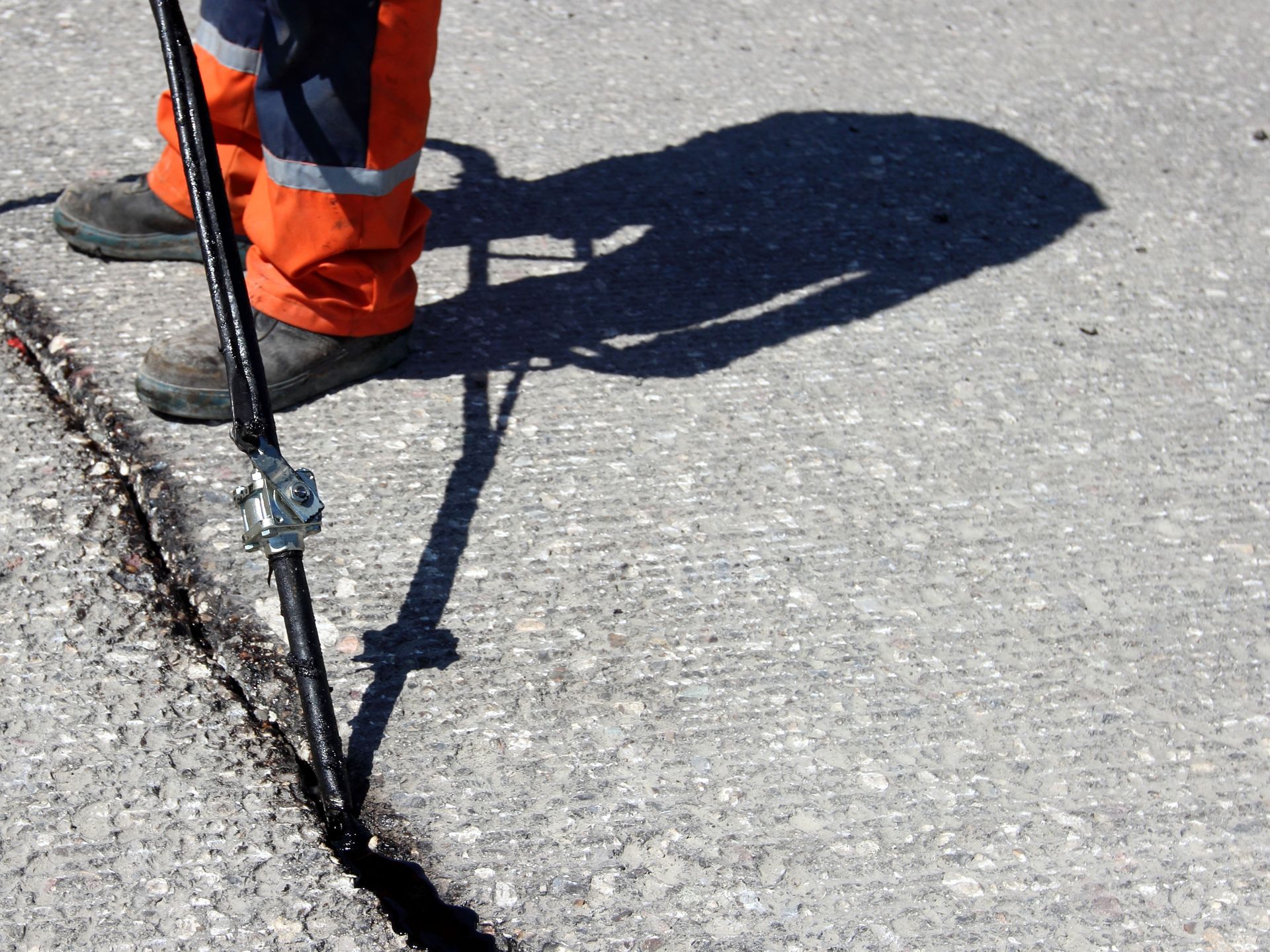
Small cracks are often the first indication that an asphalt surface is deteriorating. They can allow water to enter the pavement and weaken underlying layers. Temperature fluctuations, aging materials, and regular traffic contribute to crack development. Routine inspections help identify these problems before they spread. Depending on the damage, crack filling or other asphalt service options may help preserve the pavement and limit additional deterioration.
Understanding Alligator Cracking
Alligator cracking consists of interconnected cracks resembling an alligator's scales. This pattern generally indicates fatigue or structural failure caused by heavy traffic, insufficient base support, or repeated stress. Unlike isolated surface cracks, alligator cracking often signals deeper problems that cannot be addressed through simple sealcoating. Professional evaluation can determine whether localized repairs, resurfacing, or replacement is appropriate.
Comparing Longitudinal and Transverse Cracks
Longitudinal cracks run parallel to the pavement's centerline, while transverse cracks extend across its width. Both can develop because of temperature changes, aging materials, or construction issues. Moisture entering these openings can accelerate deterioration. Filling and sealing cracks promptly with asphalt service can help limit further damage and maintain a smoother surface for vehicles.
Addressing Edge and Block Cracking
Edge cracks develop along pavement boundaries, often because of inadequate support, poor drainage, or heavy traffic. Block cracking creates rectangular patterns as aging asphalt loses flexibility. Both conditions can become more extensive over time, making early identification and appropriate repairs important.
2. Identifying Water Pooling and Drainage Problems
Recognizing Persistent Water Pooling
Water that remains on asphalt long after rainfall may indicate inadequate drainage or uneven grading. Depressions, settlement, and blocked drainage channels can prevent water from flowing away. Repeated pooling allows moisture to penetrate cracks and weaken the pavement's foundation. Property owners should monitor recurring puddles, particularly near entrances, parking spaces, and other areas with frequent vehicle traffic.
Understanding the Effects of Water Infiltration
Asphalt pavement combines aggregate materials with an asphalt binder to create a flexible, durable surface. According to the National Asphalt Pavement Association (NAPA), asphalt pavement is made of approximately 95% stone, sand, and gravel and 5% asphalt binder, creating a durable and flexible paving material. However, water can still penetrate damaged pavement and weaken the underlying base. Moisture infiltration contributes to cracking, potholes, and structural deterioration.
Preventing Erosion and Related Damage
Heavy rainfall and flooding can wash away materials supporting asphalt pavement. As the base and sub-base deteriorate, sections may begin to sink, crack, or separate. Property owners should watch for unsupported pavement edges and depressions that develop after storms. Addressing drainage and erosion problems alongside necessary pavement repairs and asphalt service helps tackle the underlying causes of deterioration.
3. Detecting Early Signs of Pothole Formation
Spotting Initial Pavement Deterioration
Small cracks, shallow depressions, and loose surface materials can indicate that potholes may develop. Water entering damaged areas weakens the pavement, particularly during temperature fluctuations. Repeated vehicle traffic places additional stress on these sections. Addressing minor damage early can reduce the likelihood of larger holes forming and affecting surrounding pavement.
Understanding How Potholes Develop
Potholes commonly form when water enters cracks and penetrates underlying pavement layers. During freezing conditions, trapped water expands and places pressure on surrounding materials. When temperatures rise, gaps leave sections unsupported. Vehicle traffic then breaks apart the weakened asphalt. Poor drainage and delayed maintenance can accelerate this process.
Recognizing Vehicle and Pedestrian Hazards
Potholes can cause tire punctures, wheel damage, and suspension problems. On driveways and parking areas, they also create tripping hazards. For commercial properties, deteriorated pavement can affect accessibility and leave visitors with an unfavorable impression. Prompt asphalt service can address these concerns and restore safer travel surfaces for drivers and pedestrians.
4. Recognizing Fading and Asphalt Discoloration
Identifying Common Causes of Discoloration
Exposure to sunlight, moisture, and chemicals gradually changes asphalt's appearance. Ultraviolet rays contribute to oxidation, causing the binder to harden and the surface to become lighter. Oil, gasoline, and other chemical spills can also leave visible stains. Although discoloration may initially appear cosmetic, it can accompany changes in pavement condition.
Understanding the Effects of UV Exposure
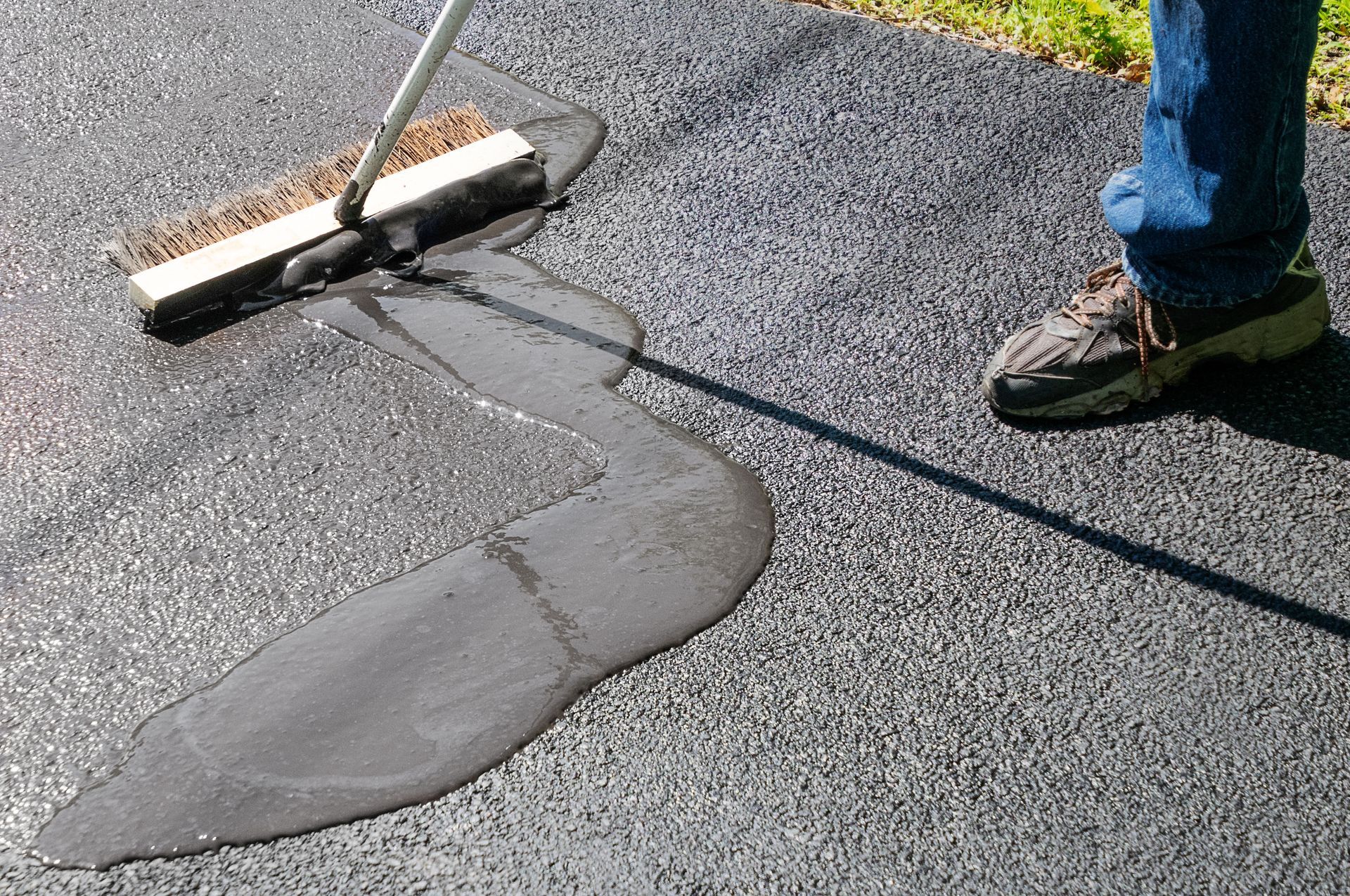
Prolonged sunlight can make asphalt brittle as the binder loses flexibility. Fading, surface cracking, and loose aggregate may indicate weather-related deterioration. Sealcoating provides a protective layer against sunlight and moisture, although it cannot replace repairs for existing structural damage. Monitoring these changes helps property owners determine when maintenance may be needed.
Evaluating the Need for Sealcoating
Sealcoating helps protect asphalt against moisture, sunlight, and certain environmental contaminants. It can also improve the appearance of faded pavement. However, cracks and potholes generally need repairs before sealcoating begins. A maintenance professional can evaluate the surface and recommend an appropriate treatment schedule.
5. Identifying Uneven Surfaces and Structural Changes
Recognizing Surface Depressions and Bumps
Uneven asphalt may appear as dips, raised areas, or noticeable changes in surface texture. These irregularities can develop because of poor installation, shifting soil, drainage problems, or deterioration beneath the pavement. Changes in surface elevation should not be overlooked, particularly when accompanied by cracking. Regular monitoring and asphalt service can help identify developing problems before they affect larger sections.
Understanding Vehicle and Pedestrian Risks
Uneven pavement can affect vehicle handling and increase wear on tires, wheels, and suspension components. Raised pavement and depressions also create tripping hazards near entrances, walkways, and accessible parking spaces. Maintaining smooth surfaces supports safer vehicle movement and pedestrian accessibility.
Evaluating Available Repair Options
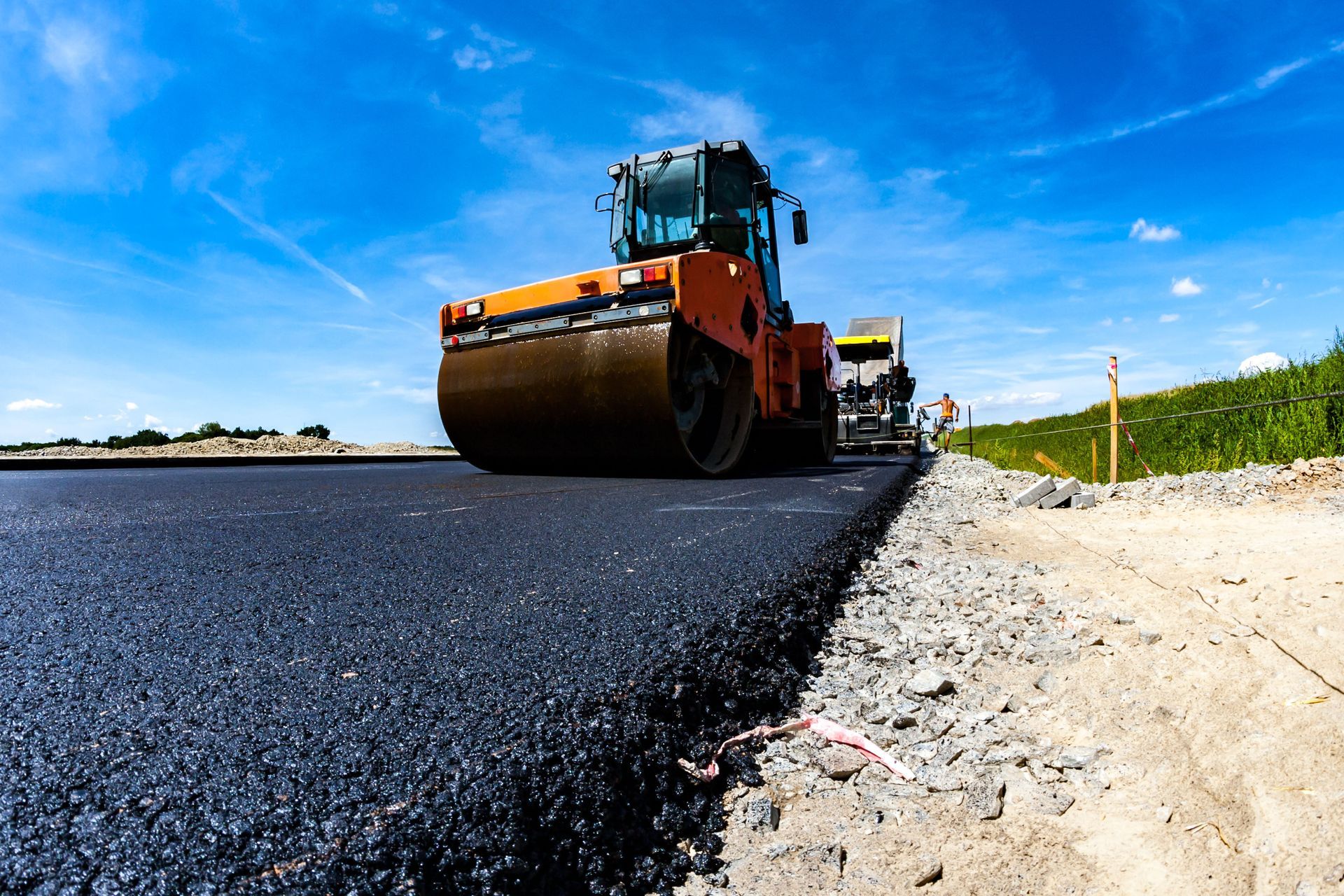
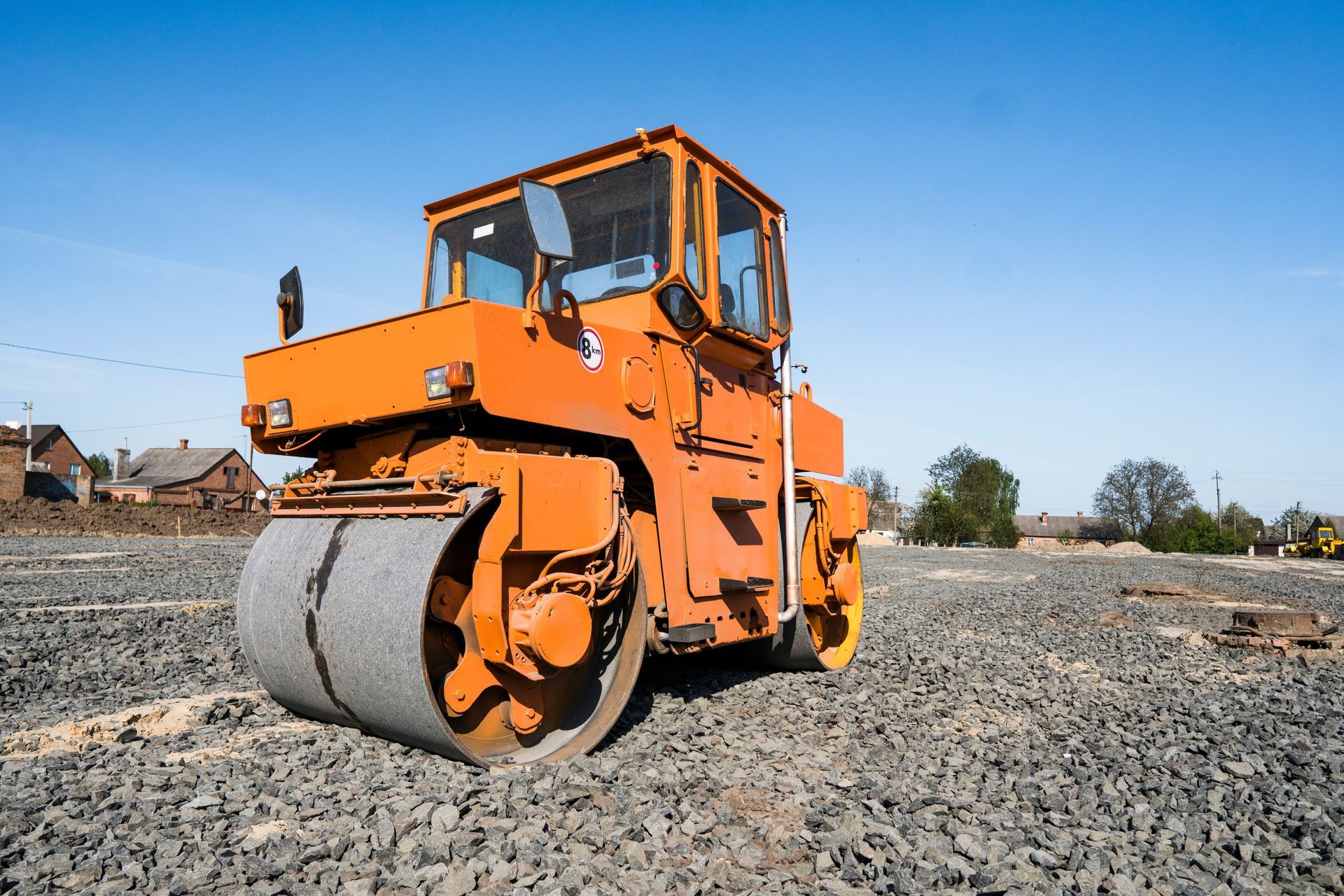
Repair methods depend on the extent of the damage and the condition of the underlying pavement. Patching may address isolated problem areas, while milling and overlay can help with widespread surface deterioration. Significant structural damage may require more extensive reconstruction. A professional inspection can help determine the appropriate approach and identify any underlying issues that need attention.
6. Monitoring Rising Asphalt Maintenance Costs
Recognizing Unexpected Repair Expenses
When maintenance is postponed, minor problems can develop into expensive repairs. Small cracks may spread, drainage problems can weaken the pavement base, and isolated potholes may become larger damaged sections. Regular inspections help property owners identify maintenance needs and anticipate expenses before they become difficult to manage.
Comparing Preventive Care and Major Repairs
Routine maintenance may reduce the need for extensive pavement work later. Crack sealing, patching, drainage improvements, and sealcoating help manage common forms of wear. The appropriate maintenance plan depends on traffic levels, weather exposure, pavement age, and existing damage.
Planning for Long-Term Pavement Maintenance
Long-term planning involves budgeting for inspections, routine treatments, and necessary repairs. Property owners should consider the age and condition of their asphalt when developing a maintenance schedule. Working with a contractor can help identify priorities and determine when more substantial improvements may be needed.
Knowing When to Schedule Professional Asphalt Service
Cracks, potholes, standing water, fading, uneven surfaces, and increasing maintenance expenses can all indicate that asphalt pavement needs attention. Recognizing these warning signs early gives property owners an opportunity to address deterioration before it affects larger sections of pavement.
Routine inspections and timely repairs help maintain safe, functional, and attractive asphalt surfaces. Property owners who notice these warning signs should consider arranging a professional evaluation. Tommy's Asphalt can help assess pavement concerns and determine appropriate maintenance or repair solutions. Contact the team to discuss your asphalt needs and maintain your property's paved surfaces.